T: +86-18066442232
E: sylvia@wzhongshuojixie.com
E: sylvia@wzhongshuojixie.com
Wanquan Industrial Zone, west of National Road 104, Sunlou Village, Wanquan Town, Pingyang County, Wenzhou City, Zhejiang Province
Views: 0 Author: Site Editor Publish Time: 2026-02-03 Origin: Site


Plastic straws are disappearing fast. Paper straws are now everywhere, from cafés to airlines. But are all paper straws gluten free? For people with celiac disease or gluten sensitivity, this question matters. Some paper straws use materials that may introduce hidden gluten. In this post, you’ll learn what paper straws are made of, where gluten risks come from, and how to choose safer paper straws with confidence.
Gluten is a natural protein found in wheat, barley, and rye. It helps dough stretch and hold its shape, which is why it is common in bread and pasta. For most people, gluten causes no problems. However, for others, it can trigger serious health issues. This is especially true for people with celiac disease, where the immune system reacts aggressively when gluten enters the body. The reaction damages the small intestine and affects nutrient absorption.
Medical standards define “gluten-free” very strictly. Foods labeled gluten-free must contain less than 20 parts per million (ppm) of gluten. This threshold exists because even tiny amounts can cause symptoms for sensitive individuals. They may experience stomach pain, fatigue, or long-term intestinal damage. Because of this low tolerance, gluten safety is not just about what we eat, but also about what touches food and drinks.
Many people assume gluten only exists in food, but that is not always true. Gluten can appear in non-food items like glues, coatings, and packaging materials. Some adhesives use wheat-based starch, which may contain gluten proteins. When these materials touch food or drinks, small amounts of gluten can transfer. This process is called gluten migration, and it matters for people who are highly sensitive.
Food-contact products like a paper straw deserve close attention. A paper straw sits in a drink for several minutes, sometimes longer. Heat, moisture, and time can increase the chance of material transfer. Even if the drink itself is gluten free, the straw could introduce risk. Consumers often expect paper straws to be safe by default, but current regulations do not always require allergen labeling on food-contact items.
Item Type | Possible Gluten Source | Risk Level |
Food products | Wheat, barley, rye | High |
Adhesives | Wheat-based starch | Medium |
Coatings | Plant-based materials | Low |
Paper straw | Glue or binder | Low to medium |
This gap between consumer expectations and regulations creates confusion. People want sustainable products that are also safe. They expect transparency, especially when health is involved. Understanding gluten beyond food helps explain why paper straw materials and manufacturing methods matter so much.
Most paper straw products are considered gluten free. The paper itself usually comes from wood pulp, not grains. For many consumers, they pose little to no risk during everyday use. Restaurants, cafés, and airlines rely on them because they meet basic food-contact safety expectations. For people without gluten sensitivity, they are generally safe and practical.
However, not every paper straw is completely gluten free. Some manufacturers use adhesives that contain plant starch. When that starch comes from wheat, gluten may be present. The risk stays low, but it still matters. For people living with celiac disease, even trace exposure can cause discomfort or immune reactions.
Gluten exposure does not need to come from food alone. A paper straw sits directly in a drink. Moisture, time, and temperature can affect material transfer. Sensitive individuals may react to amounts far below what others notice. That makes even small risks worth understanding.
Factor | Impact on Gluten Risk |
Adhesive type | High |
Drink temperature | Medium |
Contact time | Medium |
Paper straw quality | Low to Medium |
This table shows why most people feel fine, yet some do not. The risk remains small, but it is not zero. They often want clarity, not guesses.
The main issue comes from wheat-based starch adhesives. They cost less and bond paper layers effectively. Some producers choose them to reduce expenses. These shortcuts may help pricing, but they increase allergen uncertainty. It becomes harder for buyers to know what materials were used.
Another challenge involves labeling rules. Food-contact materials often do not require allergen disclosure. Many paper straw packages list compostable or eco claims, but skip gluten information. Consumers expect safety, yet regulations lag behind expectations. This gap explains why people still ask if every paper straw is gluten free.
Paper straw bodies usually come from wood pulp or agricultural pulp. Wood pulp comes from trees and contains no grain proteins. Agricultural pulp may use materials like sugarcane bagasse or bamboo fiber. They also stay free from gluten. The paper itself does not create gluten risk, which surprises many first-time buyers.
Both pulp types behave differently during use. Wood pulp offers strength and smooth texture. Agricultural pulp supports sustainability goals and composting. Neither source introduces gluten on its own. For this reason, most gluten concerns do not start from the paper layer.
Pulp Type | Source | Gluten Risk |
Wood pulp | Trees | None |
Agricultural pulp | Sugarcane, bamboo | None |
Adhesives hold paper layers together and shape the paper straw. This step matters most for gluten safety. Water-based synthetic glue presents very low to zero risk. It uses chemical binders rather than food starch. Many modern manufacturers prefer it for consistent quality.
Plant-based starch glue depends on the source material. Corn or potato starch usually stays gluten free. Wheat-based starch glue creates potential gluten presence. Some factories choose it for lower cost and strong bonding. Buyers rarely see this detail listed, which creates uncertainty for sensitive users.
Adhesive Type | Common Source | Gluten Risk |
Synthetic glue | Chemical binders | None |
Plant starch glue | Corn or potato | Low |
Wheat starch glue | Wheat | Medium |
Coatings protect a paper straw from soaking and breaking. Many use PLA, a corn-based material. PLA stays naturally gluten free and performs well in cold drinks. It helps extend straw life without adding allergen concerns. They often meet food-contact safety standards.
Other coatings include sugarcane wax or plant-based oils. These materials form a thin barrier and limit water absorption. They rarely contain grain-derived ingredients. For most gluten-free consumers, coatings remain one of the safest parts of a paper straw.

Many buyers start by checking labels on a paper straw package. FDA food-contact safety shows the product meets basic material standards. It focuses on chemical safety rather than allergens. Compostability certifications like BPI, OK Compost, or TÜV Austria highlight environmental performance. They confirm the straw breaks down properly after use.
These eco labels often confuse consumers. They do not guarantee gluten-free status. A straw can be compostable and still use wheat-based glue. Gluten-free certification remains rare for food-contact items. Buyers must look beyond green symbols and ask deeper questions.
Label Type | What It Confirms | Gluten-Free Guarantee |
FDA food-contact | Material safety | No |
BPI / OK Compost | Compostability | No |
TÜV Austria | Environmental compliance | No |
Direct questions help close the information gap. Ask if they use wheat-based adhesives during production. Many suppliers use plant starch glue, but sources differ. Request a material safety data sheet to review ingredients and processing details. It provides clarity they cannot get from packaging alone.
Cross-contamination also matters during manufacturing. Ask how they separate gluten-containing materials from other lines. Clean equipment and controlled sourcing reduce risk. Responsible suppliers explain their process clearly and share documentation when asked.
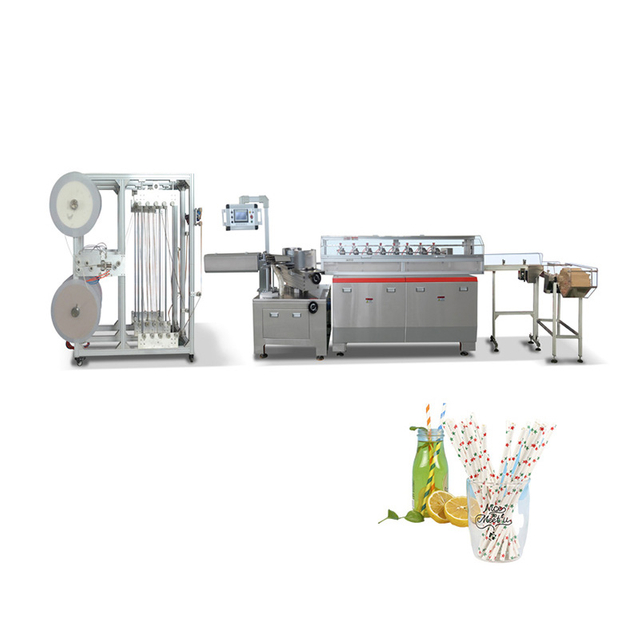
Production technology plays a big role in gluten safety. Traditional glue-based paper straw lines rely on adhesives to bond layers. If glue contains wheat starch, gluten risk appears. Newer non-glue paper straw production avoids adhesives entirely. It uses mechanical bonding and pressure instead.
Eliminating glue removes the most common gluten source. Many buyers now prefer non-glue paper straws for this reason. Restaurants, airlines, and health-focused brands want fewer unknowns. They see non-glue technology as a cleaner, safer option for sensitive customers.
Many people assume biodegradable means grain-based. That idea spreads quickly online. In reality, many biodegradable straws use corn, sugarcane, or wood pulp. These materials contain no gluten. A paper straw often falls into this safer category. Confusion appears because some biodegradable products do use wheat ingredients.
The problem comes from mixing materials under one label. Biodegradable describes how a product breaks down, not what it contains. Some straws use wheat starch, others do not. Understanding material sources helps people avoid unnecessary fear.
Paper straws feel natural, so they seem harmless. Most of the time, they are safe for everyday use. However, safety depends on how they are made. Adhesives and coatings affect risk levels. A paper straw can introduce gluten when wheat-based glue appears.
Sensitive individuals react to very small amounts. For them, “almost safe” is not enough. They need clarity, not assumptions. This myth causes people to skip important questions.
Wheat straw sounds safe because it comes from plant stems. Those stems contain little to no gluten naturally. The risk comes from harvesting and processing. Cross-contact happens easily during farming and manufacturing. They often share equipment with grain materials.
This table helps explain the difference:
Straw Type | Gluten Source | Risk Level |
Paper straw | Adhesive | Low |
Wheat straw | Cross-contact | Medium |
Pasta straw | Wheat flour | High |
Names alone do not tell the full story. Processing matters as much as raw material.
Eco-friendly labels focus on the environment. They highlight composting and sustainability goals. They rarely address allergens. A product can protect the planet and still cause health concerns. This gap surprises many buyers.
Consumers expect green products to be safe for everyone. Regulations do not always match that expectation. Asking about allergens remains necessary, even for eco-friendly paper straw options.
Most paper straw products remain gluten free in real-world use. The paper comes from wood pulp, not grains. Many manufacturers also use synthetic or corn-based adhesives. These choices keep gluten risk very low. For most people, paper straws work safely in daily drinks.
Problems appear in specific cases. Some paper straws use wheat-based starch glue. Others lack clear sourcing details. These situations introduce uncertainty rather than guaranteed danger. Knowing the difference helps people choose better, not panic.
Paper Straw Type | Typical Materials | Gluten Risk |
Standard paper straw | Wood pulp, synthetic glue | Very low |
Paper straw with plant glue | Corn or potato starch | Low |
Paper straw with wheat glue | Wheat starch | Medium |
Many consumers can use paper straws without concern. People without gluten sensitivity rarely notice any issues. Even those following a casual gluten-free lifestyle often feel comfortable using them. Restaurants rely on this broad safety margin every day.
For them, basic supplier transparency usually feels enough. They trust reputable brands and food-service standards. A paper straw fits easily into their routine. Convenience and sustainability stay balanced.
People living with celiac disease face a different reality. They react to very small gluten traces. For them, uncertainty creates stress. Choosing non-glue paper straw options reduces the biggest risk factor. It removes adhesives from the equation.
Others prefer alternatives like PLA or sugarcane straws. These materials avoid grain-based inputs entirely. They give peace of mind when sensitivity stays high. For these users, control matters more than convenience.
Most paper straw products are gluten free, but adhesives can introduce hidden risks. People with high sensitivity should choose safer production methods. Non-glue paper straw technology removes the main gluten source. It offers better safety, consistency, and peace of mind for brands and consumers. Hongshuo supports manufacturers with reliable non-glue paper straw making machines. If you need safer production solutions, please contact us.
A: Most paper straw options are gluten free, but some use wheat-based adhesives.
A: A paper straw may use wheat starch glue, which introduces trace gluten.
A: Choose a paper straw made with synthetic or corn-based adhesives.
A: Some paper straw alternatives like PLA reduce gluten risk further.
A: No, a paper straw can be eco-friendly yet still contain gluten.