
T: +86-18066442232
E: sylvia@wzhongshuojixie.com
E: sylvia@wzhongshuojixie.com
Wanquan Industrial Zone, west of National Road 104, Sunlou Village, Wanquan Town, Pingyang County, Wenzhou City, Zhejiang Province
Views: 0 Author: Site Editor Publish Time: 2026-01-27 Origin: Site


Are you tired of single-use plastics? Paper straws offer a sustainable alternative. These eco-friendly straws are made from biodegradable materials, reducing plastic waste. In this article, you'll learn how paper straws are made and why they matter for our environment.
Paper straws are primarily made from food-grade kraft paper, which is both strong and biodegradable. This type of paper ensures that the straws can hold up during use while breaking down naturally after disposal.
In addition to kraft paper, adhesives play a crucial role in the manufacturing process. The adhesives used must be non-toxic and safe for food contact. Common options include water-based adhesives and hot-melt glues, both of which are designed to bond the paper layers securely without compromising safety.
Moreover, optional coatings can be applied to enhance moisture resistance. These coatings help prevent the straw from becoming soggy during use. However, it’s crucial to choose coatings that are also biodegradable to maintain the eco-friendly nature of paper straws.
Material Type | Description |
Food-Grade Paper | Strong, biodegradable kraft paper |
Adhesives | Non-toxic options like water-based or hot-melt |
Coatings | Optional moisture-resistant coatings |
The quality of materials used in paper straws directly impacts their health and safety standards. Straws made from high-quality, food-safe materials ensure that they do not leach harmful substances into beverages. This is essential for consumer safety, especially when used in food and drink applications.
Additionally, biodegradability and compostability are significant factors. High-quality paper straws will break down within 30 to 60 days in composting conditions, making them a more responsible choice than plastic alternatives. This quick decomposition helps reduce landfill waste and environmental pollution.
When selecting paper straws, it's important to look for proper certifications. For instance, FDA compliance ensures that the materials are safe for food contact in the United States. This certification is a vital indicator of quality and safety.
In Europe, paper straws should meet BfR standards, which guarantee that the materials are safe for use with food and beverages. Additionally, ISO 22000 certification focuses on food safety management, ensuring that the entire production process adheres to high safety standards.
Certification | Region | Importance |
FDA Compliance | USA | Ensures safety for food contact |
BfR Standards | Europe | Guarantees safety for food and beverage use |
ISO 22000 | Global | Focuses on food safety management |
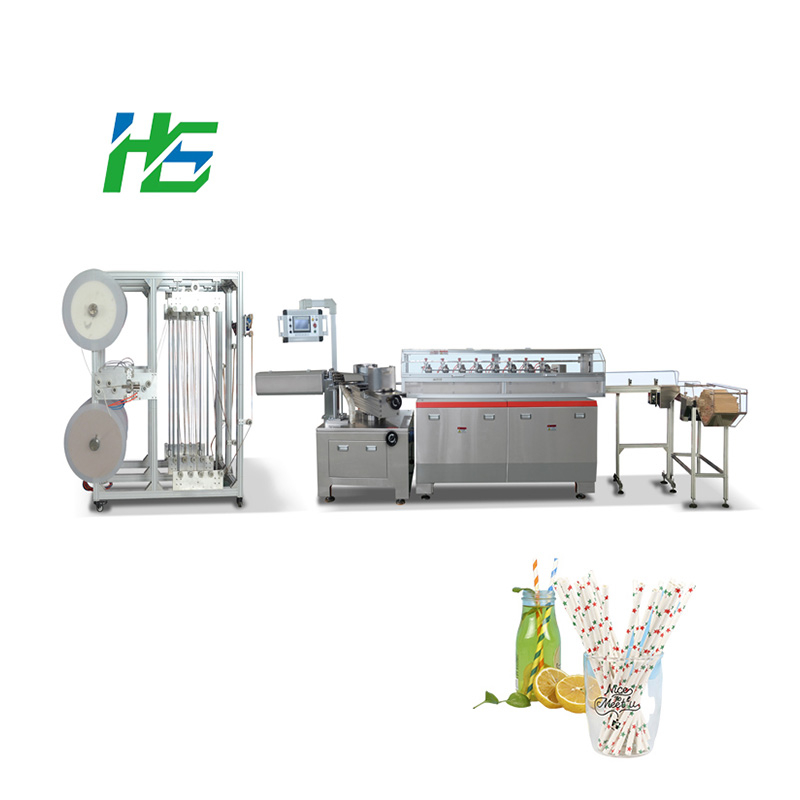
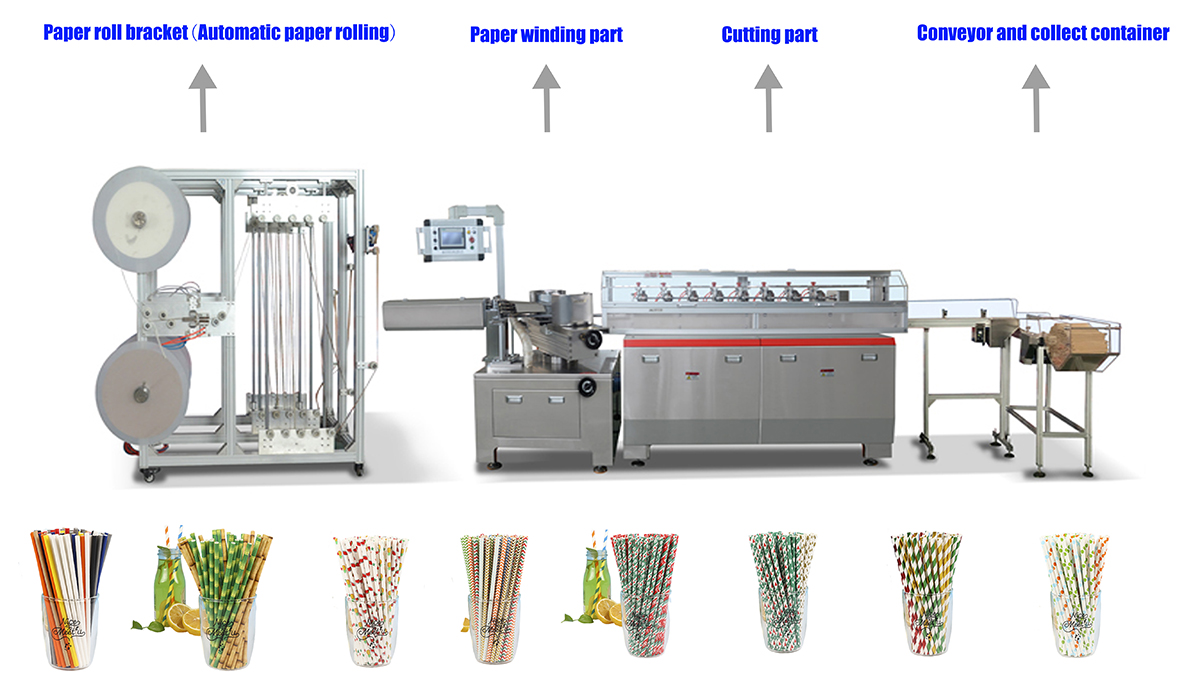
The journey of creating paper straws begins with preparing the paper. Large rolls of food-grade kraft paper, known for its strength and biodegradability, are selected as the primary material. These rolls are then meticulously cut into strips that will eventually be shaped into straws. This initial step is critical; the specifications for the different layers—inner, middle, and outer—must be precise to ensure optimal performance. Typically, the inner and middle layers are crafted to be around 120 gsm, providing the necessary durability, while the outer layer is thinner, at approximately 60 gsm. This careful balance between thicknesses ensures that the straws are both strong and flexible, enabling them to hold up during use while also allowing for custom designs and branding options.
Following the preparation phase, the process advances to rolling and gluing. At this stage, a specialized straw-making machine takes center stage. It rolls the prepared paper strips tightly around a spindle, forming the characteristic shape of the straw. During this process, food-grade adhesives are applied to securely bond the layers together. The use of safe adhesives is paramount, as these materials come into direct contact with beverages. This ensures that the straws are not only functional but also safe for consumers, meeting health standards and regulations. The effective application of adhesives is crucial in maintaining the structural integrity of the straw, preventing leaks or breaks during use.
Step | Description |
Rolling | Paper strips are rolled around a spindle |
Adhesive Application | Food-grade adhesives secure the layers |
Once the straws are rolled, they require a drying and hardening phase. There are two primary methods for drying: traditional drying and microwave drying. Traditional drying involves placing the straws in a controlled environment, which can take several hours to ensure thorough drying. This method is effective but time-consuming. In contrast, microwave drying offers a faster alternative by heating the straws uniformly from the inside out, significantly reducing drying time. Controlling moisture levels is critical throughout this process; if the moisture content is too high, it can lead to mold growth or deformation, negatively impacting the quality and usability of the straws.
After the drying phase, the long straw tubes are ready for cutting to length. This step involves slicing the tubes into individual straws, which are then prepared for packaging. Precision is essential in this stage to ensure that each straw is uniform in length, typically around 7.75 inches for standard straws. Quality control measures are implemented rigorously during this step. Each straw undergoes checks for structural integrity to ensure it can withstand typical usage without breaking or leaking.
Finally, the straws undergo a comprehensive quality control and packaging process. Rigorous checks are conducted to confirm that the straws are safe and perform well. This includes testing for moisture resistance, structural integrity, and overall durability. Only straws that meet these stringent criteria are approved for packaging. Once they pass these checks, the straws are packaged using sustainable materials. Many manufacturers opt for recycled or recyclable packaging options, aligning with the eco-friendly ethos of paper straws. This commitment to sustainability not only meets consumer demand for environmentally friendly products but also reflects the industry's dedication to reducing its carbon footprint.
Quality Control Aspect | Description |
Safety Checks | Ensures straws meet health standards |
Performance Testing | Confirms durability and moisture resistance |
Sustainable Packaging | Uses eco-friendly materials for packaging |
The paper straw industry has seen exciting advancements in technology, particularly with the introduction of Rigid Fiber™ technology. This innovative method enhances the strength of paper straws, making them more durable than traditional options. Straws made with this technology can withstand longer use in beverages without losing their structural integrity. This means less worry about straws collapsing or becoming soggy during use.
Another significant trend is the development of chemical-free and adhesive-free manufacturing methods. These processes eliminate the need for potentially harmful substances, making the straws safer for consumers. By using alternative bonding techniques, manufacturers can produce environmentally friendly straws without compromising quality.
Technology Type | Benefits |
Rigid Fiber™ | Improved durability and moisture resistance |
Chemical-Free Methods | Safer for consumers and the environment |
These innovations significantly enhance the performance of paper straws. For instance, the use of Rigid Fiber™ technology not only improves durability but also increases moisture resistance. This means users can enjoy their drinks without worrying about the straw breaking down too quickly.
Moreover, the environmental benefits are substantial. By reducing harmful substances in the manufacturing process, the industry minimizes its carbon footprint. This aligns with the growing consumer demand for sustainable products. With these advancements, paper straws are becoming a more viable alternative to plastic ones.
When comparing paper straws to plastic straws, several factors come into play. One major advantage of paper straws is their biodegradability. Unlike plastic, which can take hundreds of years to decompose, paper straws typically break down within 30 to 60 days in a composting environment. This rapid decomposition timeline is crucial for reducing landfill waste and pollution.
However, it's important to consider the energy and resource consumption involved in producing paper straws. While they are more sustainable than plastic, the production process still requires energy and raw materials. Manufacturers are increasingly focused on sourcing sustainable materials to minimize their environmental impact.
Comparison Aspect | Paper Straws | Plastic Straws |
Biodegradability | 30-60 days | Hundreds of years |
Resource Consumption | Moderate | High |
Despite the benefits, there are hidden environmental concerns associated with paper straws. For example, some manufacturers may still use synthetic glues and coatings that can hinder biodegradability. These materials can compromise the eco-friendliness of the product, so it's essential to choose straws made from entirely natural components.
Additionally, the importance of sourcing sustainable materials cannot be overstated. Companies should prioritize using responsibly sourced paper and eco-friendly adhesives. By doing so, they can further enhance the positive impact of paper straws on the environment, ensuring they contribute to a greener planet.
Coatings play a crucial role in enhancing the functionality of paper straws. Common types of coatings include acrylic and wax. Acrylic coatings provide a water-resistant barrier, ensuring that the straw maintains its shape and integrity when used in beverages. Wax coatings, on the other hand, offer a more natural alternative, providing moisture resistance while being biodegradable.
Innovations in the industry are moving towards avoiding chemical coatings altogether. Manufacturers are exploring natural alternatives, such as plant-based coatings, which provide similar moisture resistance without the environmental concerns associated with traditional chemical coatings. This shift not only enhances the product's eco-friendliness but also appeals to health-conscious consumers.
Coating Type | Description | Biodegradable |
Acrylic | Provides water resistance and durability | No |
Wax | Natural option that offers moisture protection | Yes |
Plant-Based Coating | Innovative, eco-friendly alternative | Yes |
The type of coating applied to a paper straw significantly affects its performance. For instance, while acrylic coatings enhance moisture resistance, they can compromise the straw's biodegradability. This means that while the straw may perform well in the short term, it may not break down as effectively in the environment.
On the other hand, wax coatings and plant-based alternatives strike a balance between moisture resistance and biodegradability. They allow the straw to remain functional for the duration of its use without sacrificing its environmental benefits. This balance is essential for consumers who seek both performance and sustainability in their products.
Performance Aspect | Acrylic Coating | Wax Coating | Plant-Based Coating |
Moisture Resistance | High | Moderate | Moderate |
Biodegradability | Low | High | High |
By understanding the role of coatings and adhesives, we can appreciate how these elements influence not only the functionality of paper straws but also their environmental impact. As the industry continues to innovate, the focus on sustainable materials and practices becomes increasingly important.
This article explores how paper straws are made, detailing the manufacturing process from preparing the paper to quality control. Each step is crucial for ensuring the straws are durable, safe, and environmentally friendly. Choosing the right materials and coatings enhances performance while maintaining biodegradability. Companies like Hongshuo provide innovative solutions, such as non-glue paper straw making machines, which offer unique advantages in sustainability and efficiency. If you're interested in enhancing your production capabilities, please contact us for more information.
A: Paper straws are primarily made from food-grade kraft paper, which is durable and biodegradable.
A: The manufacturing process involves preparing the paper, rolling and gluing, drying, cutting, and quality control.
A: Paper straws are more environmentally friendly, as they decompose faster and reduce plastic waste.
A: Using high-quality coatings and adhesives during production enhances the moisture resistance of the paper straw.
A: While paper straws may have a higher upfront cost, their environmental benefits make them a cost-effective choice in the long run.


