
T: +86-18066442232
E: sylvia@wzhongshuojixie.com
E: sylvia@wzhongshuojixie.com
Wanquan Industrial Zone, west of National Road 104, Sunlou Village, Wanquan Town, Pingyang County, Wenzhou City, Zhejiang Province
Views: 0 Author: Site Editor Publish Time: 2025-09-22 Origin: Site


Have you ever wondered how cardboard is made? Cardboard, a vital packaging material, comes in various forms, including corrugated and solid types. Understanding the machinery behind its production is essential for manufacturers.
In this article, we’ll explore the machines used in cardboard creation, focusing on "paper box machinery." You’ll learn about the production process and the importance of these machines in modern manufacturing.
Cardboard production involves several key steps. Each step relies heavily on specialized machinery. Here’s a brief overview of the process:
1. Pulping: Raw materials, usually wood fibers, are processed to create pulp.
2. Forming: The pulp is formed into sheets. This is where machines play a crucial role.
3. Drying: Sheets are dried to remove moisture, ensuring durability.
4. Finishing: Finally, the sheets are cut and treated for packaging use.
Machinery is essential at every stage. For instance, during pulping, industrial machines break down the wood fibers efficiently. In the forming stage, a Fourdrinier machine creates a continuous sheet of paper. This machine ensures uniform thickness and quality.
Here’s a simple breakdown of machinery roles:
Step | Machinery Type | Function |
Pulping | Pulping Machines | Break down raw materials |
Forming | Fourdrinier Machine | Form sheets of paper |
Drying | Dryers | Remove moisture from sheets |
Finishing | Cutting Machines | Cut sheets into desired sizes |
Quality control is crucial throughout the production process. Regular checks ensure that the cardboard meets industry standards. For example, machines often include sensors to monitor thickness and moisture content. This helps maintain consistency.
In addition, manufacturers implement various quality measures, such as:
● Visual Inspections: Workers check for defects in the cardboard.
● Automated Testing: Machines test strength and flexibility.
● Batch Sampling: Random samples are tested to ensure quality.
These measures help guarantee that the final product meets customer expectations. By understanding the manufacturing process and the role of machinery, businesses can improve efficiency and product quality.
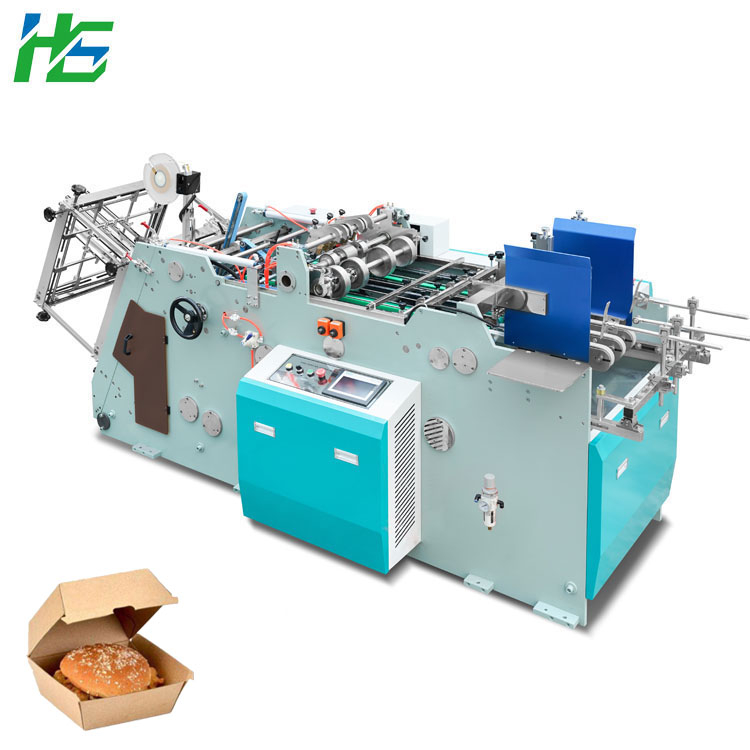
A corrugated cardboard production line is a series of machines that work together to create corrugated cardboard. This type of cardboard consists of a fluted layer sandwiched between two liner boards. It’s widely used for shipping and packaging due to its strength and lightweight nature.
The production line includes several key machines:
The Single Facer is the first machine in the line. It forms the fluted layer of cardboard. Here’s how it works:
● Function and Features:
○ Creates fluted layers by passing paper through heated rollers.
○ Uses a heating system to bond the layers.
● Advantages:
○ Incorporates vacuum suction for stable feeding.
○ Ensures uniformity in the fluted layer, enhancing quality.
Next is the Double Facer, which plays a crucial role in the process.
● Role:
○ Bonds the fluted layer to the liner boards.
● Advanced Features:
○ Includes automatic glue control for precise application.
○ Enhances efficiency and reduces waste.
The industry is shifting towards energy efficiency. For example:
● Low-Heat Roller Technology: Reduces energy consumption during production.
● Eco-Friendly Adhesives: Manufacturers are increasingly using sustainable materials.
The Slitter Scorer is another vital component of the production line.
● Purpose:
○ Cuts the cardboard sheets to the desired size.
○ Scores the sheets for easy folding.
● How It Works:
○ Uses sharp blades to slice through the cardboard.
● Competitive Features:
○ Many models feature servo-driven knives for precision.
○ Allows for quick adjustments, improving production speed.
Energy efficiency remains a top priority. Companies are investing in:
● Eco-Friendly Materials: Using sustainable sources for raw materials.
● Innovative Technologies: Implementing smart systems for monitoring and control.
These advancements help reduce environmental impact while maintaining high-quality production standards. With these machines, manufacturers can produce corrugated cardboard efficiently and sustainably.
Paper box forming machinery refers to the specialized equipment used to create various types of paper boxes. These machines transform flat sheets of cardboard into finished boxes through a series of automated processes. They play a crucial role in the packaging industry, ensuring efficiency and precision in production.
There are several types of forming machines, each designed for specific applications:
Servo-driven forming machines are known for their speed and efficiency.
● Speed and Production Capacity:
○ Capable of producing between 60 to 320 boxes per minute.
● Customization Options:
○ Quick mold change allows for rapid adjustments.
○ This flexibility helps meet diverse customer demands.
These systems ensure that boxes are securely assembled.
● Water-Based and Hot Melt Glue Systems:
○ Both options offer high accuracy in application.
○ Water-based glues are eco-friendly, while hot melt glues provide strong bonds.
● Waste Reduction:
○ Advanced gluing technology minimizes excess glue, reducing material waste.
3D carton machines are designed for more complex packaging needs.
● Capabilities for Complex Shapes:
○ These machines can produce boxes in unique shapes and sizes.
● Competitive Advantages:
○ Their versatility allows manufacturers to cater to niche markets.
● Integration with MES/ERP Systems:
○ Real-time production tracking enhances efficiency.
○ This integration ensures better management of resources and time.
Multi-station designs in forming machinery enable simultaneous production of different box types. This feature significantly boosts productivity and reduces cycle times. By allowing multiple processes to occur at once, manufacturers can maximize output while maintaining quality.
Feature | Description |
Speed | 60–320 pcs/min |
Customization | Quick mold change |
Gluing Systems | Water-based and hot melt options |
Complex Shapes | 3D carton capabilities |
Integration | MES/ERP systems for real-time tracking |
Multi-Station Designs | Simultaneous production |
These innovations in paper box forming machinery help businesses stay competitive in the fast-paced packaging industry. By leveraging advanced technologies, manufacturers can enhance their production capabilities and meet the evolving needs of their clients.
Die cutting and post-processing tools are essential in the cardboard manufacturing process. They shape, fold, and finish cardboard products, ensuring that they meet specific design and functional requirements. These tools enhance both the efficiency and quality of paper box machinery.
There are several types of die cutting and post-processing tools, each serving unique purposes:
Digital die cutters are revolutionizing how we create shapes in cardboard.
● Functionality and Benefits:
○ They allow for custom shapes without the need for traditional dies.
○ This flexibility is perfect for short runs and prototypes.
● Advantages:
○ Quick setup times and easy adjustments.
○ Reduced material waste due to precise cutting.
Folder gluers are vital for assembling boxes accurately.
● Automation and Accuracy:
○ These machines automate the folding and gluing processes.
○ High precision ensures strong and consistent seams.
● Double-Slotting Features:
○ Some advanced folder gluers offer double-slotting, effectively doubling throughput.
○ This feature allows for increased production efficiency.
Printing and laminating machines play a significant role in enhancing the final product.
● Importance in Packaging Aesthetics and Protection:
○ They provide visual appeal through high-quality prints.
○ Laminating adds a protective layer, increasing durability.
● Flexo Printers:
○ Features:Capable of 6-color printing for vibrant designs.
■ Utilize chamber doctor blades for sharp logos and consistent ink application.
● Benefits:
○ Flexo printing is efficient for large runs.
○ It offers excellent quality at high speeds.
Tool Type | Key Features |
Digital Die Cutters | Custom shapes, quick setup |
Folder Gluers | Automation, accuracy, double-slotting |
Printing Machines | Aesthetics, protection |
Flexo Printers | 6-color printing, chamber doctor blades |
These die cutting and post-processing tools significantly enhance the capabilities of paper box machinery. By integrating these technologies, manufacturers can produce high-quality cardboard products that meet diverse market demands.
When it comes to cardboard machinery, material compatibility is crucial. Different types of materials can be used, each serving specific needs.
● Types of Materials Used:
○ PE-coated paper: Ideal for moisture resistance.
○ Kraft paper: Known for its strength and durability.
○ Corrugated cardboard: Commonly used for shipping and packaging.
● Importance of FDA Compliance:
○ For food-safe packaging, adhering to FDA regulations is essential.
○ This compliance ensures safety and quality in food packaging applications.
● Sustainability Considerations:
○ Many modern machines can accommodate eco-friendly materials.
○ Using recyclable and biodegradable materials helps reduce environmental impact.
Material Type | Key Features | Applications |
PE-coated Paper | Moisture resistant | Food packaging |
Kraft Paper | Strong and durable | Shipping boxes |
Corrugated Cardboard | Lightweight yet sturdy | General packaging |
Modular design is a game-changer for cardboard machinery.
● Benefits of Modular Machinery:
○ Businesses can scale operations easily by adding new modules.
○ Flexibility allows for quick adjustments based on market demands.
● Cost-Saving Advantages:
○ Upgradable features reduce the need for complete machinery replacements.
○ This approach can lead to significant savings over time.
● Long-Term Investment:
○ Modular designs can reduce upfront costs by up to 25% for growing companies.
○ Investing in modular machinery ensures adaptability and longevity.
Benefit | Description |
Scalability | Easily expand operations |
Cost Efficiency | Save on replacements and upgrades |
Long-Term Viability | Adapt to future needs without major investments |
Flexibility and customization in cardboard machinery empower manufacturers to meet diverse market requirements while promoting sustainability and efficiency. By leveraging various materials and modular designs, businesses can thrive in a competitive landscape.
The competitive landscape of paper box machinery is dynamic and evolving. Several leading brands dominate this space, each pushing the boundaries of technology.
● Overview of Leading Brands:
○ Companies like Bobst, Heidelberg, and Durst are at the forefront.
○ They offer a wide range of machines tailored for various packaging needs.
● Innovations and Technological Advancements:
○ The industry is witnessing rapid innovations, particularly in automation and efficiency.
○ New machinery features include advanced sensors and robotics for enhanced performance.
● Emerging Technologies:
○ IoT Connectivity: This trend allows for predictive maintenance.
○ Machines equipped with IoT can monitor their own health, reducing downtime.
Brand | Key Innovations | Focus Area |
Bobst | Automated die-cutting | High-speed production |
Heidelberg | Smart printing solutions | Quality and efficiency |
Durst | Digital printing technology | Customization and flexibility |
Performance benchmarks are critical for evaluating paper box machinery.
● Speed Comparisons:
○ Machines can produce anywhere from 30 to 100 boxes per minute.
○ Speed varies by model and complexity of the box design.
● Changeover Times:
○ Quick changeover times are essential for maintaining production efficiency.
○ Machines designed for rapid adjustments can significantly reduce downtime.
● Space-Saving Designs:
○ Many manufacturers are focusing on space-saving designs for small to medium enterprises (SMEs).
○ Compact machinery allows SMEs to maximize their production capabilities without needing vast floor space.
Performance Metric | Importance |
Boxes per Minute | Determines overall production capacity |
Changeover Times | Affects agility in responding to market needs |
Space Requirements | Critical for SMEs operating in limited spaces |
The demand for quick changeovers is becoming increasingly critical, especially in the e-commerce sector. As online shopping grows, companies need to adapt quickly to changing customer preferences and order volumes. This agility in production is driving innovations and investments in more flexible machinery.
Machinery plays a vital role in cardboard production. It enhances efficiency and meets diverse packaging needs.
The future of cardboard manufacturing technology looks promising, with innovations on the horizon.
We encourage readers to explore various machinery options to find the best fit for their specific requirements.
A: The most common machines include corrugators and die-cutters, which are essential for producing cardboard boxes.
A: Different machines impact the thickness, strength, and finish of cardboard, influencing overall quality.
A: Cardboard production machinery can consume energy and generate waste, but many machines now support eco-friendly practices.
A: Yes, many manufacturers offer customizable options to meet specific production needs.
A: Costs vary widely based on machine type, features, and brand, often requiring significant investment.
A: Research and select machines that meet relevant industry certifications and regulations to ensure compliance.


