T: +86-18066442232
E: sylvia@wzhongshuojixie.com
E: sylvia@wzhongshuojixie.com
Wanquan Industrial Zone, west of National Road 104, Sunlou Village, Wanquan Town, Pingyang County, Wenzhou City, Zhejiang Province
Views: 0 Author: Site Editor Publish Time: 2026-06-16 Origin: Site


Did you know that 80% of consumers ditch soggy paper straws mid-drink? Beverage brands face a massive dilemma switching away from plastic packaging. Traditional options fall apart, but a new solution is changing the game. In this article, you will learn why the innovative No-Glue Paper Straw outperforms old glued alternatives.
● Traditional glued straws frequently suffer from seam delamination and early sogginess in cold drinks.
● The innovative No-Glue Paper Straw utilizes thermal bonding to deliver excellent structural integrity.
● Choosing adhesive-free packaging eliminates chemical leaching risks and complies with FDA and EU standards.
● No-Glue Paper Straw variants degrade rapidly within 90-180 days in commercial composting facilities.
● Procurement managers achieve a better long-term total cost of ownership by reducing defect rates.

Beverage packaging demands materials that withstand liquids for extended periods. Traditional paper straws rely on water-based adhesives to hold their plies together. When immersed in water-based or highly acidic drinks like citrus juices, these glues begin to dissolve. The paper fibers then absorb liquid rapidly, leading to a soggy, unusable product within thirty minutes.
In contrast, a No-Glue Paper Straw features an integrated structure. Because it lacks chemical adhesives, there are no glue bonds to degrade. The raw paper fibers undergo a specialized binding process that resists wicking naturally. This engineering allows the straw to remain rigid in cold beverages for over two hours without losing its shape.
When a consumer sips a drink, they apply hydraulic suction pressure to the straw. Glued straws often fail catastrophically along their helical seams. The adhesive softens, causing the plies to unwind instantly. This seam delamination ruins the user experience and can release tiny paper fragments or glue particles directly into the beverage.
Adhesive-free alternatives handle suction pressure differently. They do not possess weak adhesive seams that split open under pressure. If they do begin to weaken after prolonged exposure, they experience gradual, uniform softening rather than sudden structural collapse. The straw remains in one piece, protecting consumers from swallowing unwanted debris.
Thick beverages like milkshakes, smoothies, and bubble tea require high structural strength. Standard glued straws often collapse inward when subjected to the intense suction needed to draw up viscous liquids. Their multi-ply walls rely entirely on thin layers of glue, which fail under heavy mechanical stress.
The uniform wall structure of non-glued alternatives provides superior crush resistance. These straws feature tightly bonded paper layers that act as a single, solid conduit. They withstand heavy suction and dense liquids without flattening, making them ideal for heavy, premium beverage menus.
Temperature variations accelerate the breakdown of traditional packaging materials. Hot coffee or tea softens standard food-grade glues almost instantly. As the heat weakens the adhesive bonds, the straw unrolls and leaks. Even iced drinks can cause issues, as prolonged condensation breaks down low-quality glues over time.
Adhesive-free options offer a incredibly stable temperature tolerance profile. They perform consistently across hot coffee applications and iced beverages alike. Since their structural integrity does not depend on temperature-sensitive chemicals, they do not melt, warp, or unroll when exposed to high heat.
Customer satisfaction depends heavily on the sensory experience of packaging. Glued straws often have raised, perceptible seams along their outer surface. These ridges can feel rough or sticky against a consumer's lips. Furthermore, as the glue softens, the texture becomes slimy and unpleasant.
A seamless No-Glue Paper Straw provides a smooth, consistent texture. The exterior surface remains uniform and dry throughout use. This premium tactile feel elevates the perceived quality of the beverage, ensuring that the packaging does not distract from the flavor of the drink.
Procurement managers should stress-test straw samples before signing bulk contracts. Relying on manufacturer data sheets is rarely enough to guarantee real-world performance. Brands can implement a simple, three-step internal testing matrix to evaluate durability.
Test Parameter | Testing Condition | Target Performance Goal |
High Acidity Resistance | Submersion in lemon juice (pH 2.5) | Maintain rigidity for 90+ minutes |
Extreme Temperature | Submersion in coffee at 85°C | No seam separation or unrolling within 60 minutes |
Storage Humidity Stress | Exposure to 80% relative humidity for 7 days | Zero pre-use ply separation or softening |
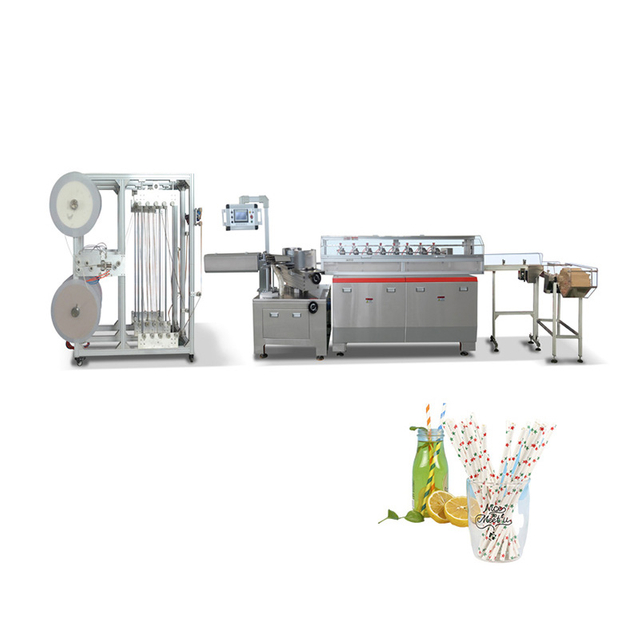
The production of adhesive-free straws relies on advanced mechanical engineering. High-speed, precision-calibrated machinery takes multiple webs of paper and winds them under extreme tension. Instead of applying liquid glue, the system utilizes synchronized heat and pressure to bond the layers.
This thermal process activates the natural hemicellulose and lignin binders within the paper fibers. The plies fuse together at a molecular level, creating a water-resistant barrier. To achieve this result, factories must use premium, high-grade uniform paper stock with consistent moisture content and fiber density.
Traditional straw manufacturing uses a simpler mechanical setup but involves more chemical variables. Multiple strips of paper pass through an open glue bath before being wound around a mandrel. The machine coats the paper with water-based food-grade adhesives, such as polyvinyl alcohol (PVA) or polyurethane-based glues.
This method introduces significant material variability into the final product. The strength of the straw depends heavily on the thickness of the glue application, the temperature of the workshop, and the exact curing time. If the adhesive does not dry perfectly, the straws will fail prematurely in the field.
Controlling quality on a glued straw production line is notoriously difficult. Shifts in warehouse humidity, ambient temperature, and adhesive viscosity can alter how well the paper layers stick together. This often results in inconsistent batches, where some boxes perform well while others fail within minutes.
Dialed-in adhesive-free production lines eliminate these environmental variables. Because the mechanical pressure and thermal energy are regulated by computerized sensors, the machine yields highly consistent results. Every single batch meets the exact same structural standards, reducing the risk of defective shipments.
Chemical safety is a primary concern for modern beverage packaging buyers. Traditional straws contain synthetic polymers and chemical preservatives within their adhesives. When these straws sit in a drink, there is a risk of adhesive migration, where trace chemicals leach into the liquid.
A No-Glue Paper Straw eliminates this hazard entirely. By removing chemical adhesives from the formula, it provides an inherently safer option for sensitive consumer populations, including children and pregnant women. Brands can guarantee a pure, uncontaminated drinking experience.
Securing compliance certificates for glued packaging can be a supply chain nightmare. Brands must audit both the paper manufacturer and the adhesive supplier to ensure compliance with FDA 21 CFR or EU Regulation 10/2011. Any change in the glue formula requires a complete re-certification process.
Adhesive-free straws simplify regulatory compliance immensely. Buyers only need to verify the safety profile of the raw paper stock and any food-safe inks used for printing. This clean supply chain reduces testing expenses and speeds up international customs clearance.
Premium beverages like specialty coffee, fine teas, and craft juices possess complex flavor profiles. Low-quality or poorly cured food-grade glues can leave a residual chemical odor. When a consumer sips through a glued straw, this faint smell can taint the taste of the beverage.
Because they contain no synthetic compounds, adhesive-free straws protect the natural aroma and taste of the drink. They remain completely inert, ensuring that consumers experience the exact flavor profile intended by the beverage master.
Many paper straws do not degrade as quickly as consumers believe. Glued alternatives often contain synthetic or chemical adhesive residues that resist moisture and bacterial breakdown. In commercial composting facilities, these chemical binders cause the straws to break down 30% to 50% slower than pure paper.
Single-material No-Glue Paper Straw variants align perfectly with the goals of a circular economy. Without synthetic glues holding the fibers together, water and microbes can penetrate the paper immediately. These straws degrade swiftly within 90 to 180 days, leaving behind zero microplastics or toxic chemical residues.
Beverage brands cannot rely solely on self-declared environmental claims. To build true consumer trust, procurement managers must demand verified third-party eco-certifications from their packaging suppliers.
● BPI Certification (North America): Confirms the product breaks down safely in commercial composting systems without leaving synthetic residues.
● OK Compost / TÜV Austria (Europe): Guarantees biodegradation in industrial composting environments under strict testing parameters.
● FSC Certified Paper: Ensures the raw wood pulp comes from responsibly managed forests that preserve biodiversity.
Regulatory bodies around the world are cracking down on vague environmental marketing. Using straws that contain hidden synthetic glues can expose a brand to greenwashing lawsuits and public backlash. Choosing an adhesive-free design provides bulletproof compliance against tightening environmental regulations, protecting corporate reputation.
Glued straw inventories are highly sensitive to environmental conditions during storage. If a warehouse experiences high humidity, the adhesive inside the boxes begins to absorb moisture from the air. This pre-use degradation causes the layers to peel apart before the straws even reach a cafe counter.
To prevent this spoilage, buyers must invest in climate-controlled storage facilities, keeping relative humidity strictly below 60%. This requirement adds significant overhead costs to supply chain logistics, especially in tropical or coastal regions.
Adhesive-free designs are much more rugged during transit and storage. Because they lack moisture-sensitive chemical glues, they maintain their structural integrity across a broader humidity range of 40% to 70%. They can be stored in standard warehouses without the risk of premature delamination, reducing logistics overhead.
Sourcing from advanced manufacturing hubs provides a strong competitive edge. Regions like Taiwan possess agile supply networks and advanced engineering talent. Partnering with a specialist supplier in these hubs ensures a steady supply of high-quality, compliant eco-packaging with stable lead times, protecting your business from sudden supply chain disruptions.
Investing in the premium No-Glue Paper Straw technology is the ideal choice for high-end cafes, craft beverage brands, and eco-conscious chains. It is also necessary for businesses serving hot or highly acidic drinks, as well as healthcare and child-focused settings where chemical safety is paramount. The enhanced durability protects your brand identity and satisfies demanding consumers.
Traditional glued straws may suffice for high-volume, quick-service environments where drinks are consumed within fifteen minutes. They work well for businesses operating on razor-thin profit margins that possess climate-controlled storage facilities. In these specific situations, the low upfront cost helps meet immediate budget targets.
Glued options save money initially but often fail in real-world use. HS Machinery provides premium straw machines that help manufacturers create durable, adhesive-free solutions. Our advanced engineering ensures your packaging meets strict safety standards while delivering top performance. If you want to upgrade your production capabilities with a reliable paper straw machine, contact HS Machinery today.
A: A No-Glue Paper Straw is an eco-friendly utensil made without chemical adhesives. It uses heat and mechanical pressure to fuse paper layers together.
A: A No-Glue Paper Straw eliminates the risk of chemical adhesive migration into your drinks, ensuring excellent food safety.
A: A No-Glue Paper Straw lowers the long-term total cost of ownership by reducing product defects and customer complaints.
A: Yes, the integrated thermal bond of a No-Glue Paper Straw resists high heat and acidity without unrolling.