
English 
T: +86-18066442232
E: sylvia@wzhongshuojixie.com
E: sylvia@wzhongshuojixie.com
Wanquan Industrial Zone, west of National Road 104, Sunlou Village, Wanquan Town, Pingyang County, Wenzhou City, Zhejiang Province
Views: 0 Author: Site Editor Publish Time: 2026-01-28 Origin: Site


Are paper straws truly a sustainable choice? With their rising popularity, many consumers are curious about their composition. Understanding what paper straws are made of is essential for making informed choices. In this post, we’ll explore the materials used in paper straws, their production process, and environmental impacts. You’ll learn why these straws are both praised and criticized.
Paper straws are eco-friendly alternatives to traditional plastic straws. Made primarily from paper, they are designed for single-use applications, particularly in the beverage industry. Unlike plastic straws, which can take hundreds of years to decompose, paper straws break down more quickly, making them a popular choice for environmentally conscious consumers.
The primary purpose of paper straws is to provide a convenient way to enjoy drinks without the environmental impact of plastic. They are commonly used in various settings, from fast-food restaurants to cafes and bars.
● Beverages: They are ideal for cold drinks like smoothies, sodas, and iced coffees.
● Events: Commonly found at parties and festivals, paper straws add a festive touch.
● Eco-Friendly Branding: Many businesses use them to enhance their sustainability image.
Use Case | Description |
Cafes | Serve iced drinks with a sustainable option. |
Restaurants | Enhance customer experience while promoting eco-friendliness. |
Events | Provide a colorful and fun accessory for drinks. |
In addition to their functional use, paper straws are often visually appealing. They come in various colors and designs, making them suitable for themed events or branding. This aesthetic appeal, combined with their environmental benefits, has led to a significant rise in their popularity.
Moreover, as legislation against single-use plastics increases, many businesses are transitioning to paper straws. They not only meet consumer demand for greener options but also comply with regulations aimed at reducing plastic waste.
Overall, paper straws serve a vital role in promoting sustainability in the beverage industry, offering a practical solution without compromising on style or usability.
When we talk about paper straws, the primary material is, of course, paper. Different types of paper are used in manufacturing these eco-friendly alternatives to plastic straws. The most common type is food-grade paper, which ensures safety for consumers. This paper is designed to come into contact with food and beverages without leaching harmful substances.
Another option is recycled paper. Using recycled materials not only reduces waste but also minimizes the environmental impact of producing new paper. This choice appeals to many environmentally conscious consumers.
The journey of a paper straw starts with wood pulp. Here's a brief overview of the process:
1. Sourcing Wood: Trees are harvested from sustainably managed forests.
2. Pulping: The wood is processed to create pulp, which is then bleached to achieve the desired color.
3. Sheet Formation: The pulp is formed into sheets of paper.
4. Straw Shaping: These sheets are cut and rolled into the shape of straws, often using machines designed for efficiency.
Step | Description |
Sourcing | Harvesting wood from sustainable forests. |
Pulping | Processing wood into pulp for paper. |
Formation | Creating paper sheets from pulp. |
Shaping | Cutting and rolling sheets into straws. |
While the main component of paper straws is paper, various additives and coatings are used to enhance their functionality and durability. Common additives include glue, which is crucial for holding the straw together. There are different types of glue used, depending on the manufacturer’s preferences and safety standards.
To make paper straws visually appealing, dyes and colorants are often added. These substances must meet safety regulations to ensure they do not pose health risks. Manufacturers typically choose food-safe dyes, but it’s important for consumers to be aware of what’s in their straws.
To improve water resistance, paper straws are often coated. Here are some common types of coatings:
● Wax Coating: Provides a moisture barrier, helping to keep the straw intact longer.
● Plastic Coating: Offers durability but may raise concerns about biodegradability.
Coatings can sometimes contain PFAS (per- and polyfluoroalkyl substances), which are linked to health issues. These chemicals can leach into beverages, raising health concerns for consumers. It’s essential for manufacturers to prioritize safety and transparency regarding the materials used in their products.
Coating Type | Purpose | Health Concerns |
Wax | Moisture barrier | Generally safe |
Plastic | Increased durability | Possible PFAS contamination |
By understanding the composition of paper straws, consumers can make informed choices about their use and impact on the environment. The combination of paper, additives, and coatings plays a crucial role in the overall functionality and safety of these popular products.
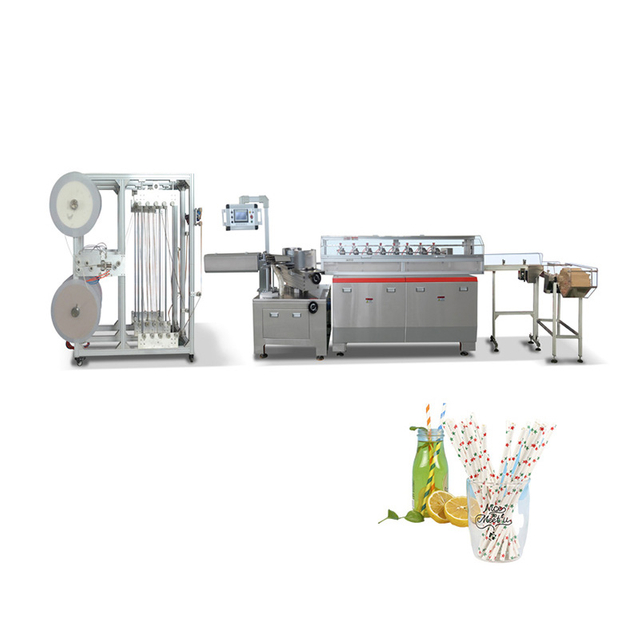
The first step in creating paper straws is sourcing the raw materials. Paper is primarily made from wood pulp, which comes from trees. Sustainable forestry practices are crucial in this process. Many manufacturers source their paper from forests that are managed responsibly, ensuring that trees are replanted and ecosystems are preserved.
Sustainability is a hot topic today. When sourcing materials for paper straws, companies must consider the environmental impact. This includes assessing the carbon footprint associated with harvesting trees and transporting raw materials. By choosing local suppliers and optimizing transportation routes, manufacturers can significantly reduce their overall emissions.
Consideration | Description |
Sustainable Forestry | Trees are replanted to maintain ecosystem balance. |
Local Sourcing | Reduces transportation emissions and supports local economies. |
Carbon Footprint | Evaluating the total emissions from sourcing to production. |
Once the raw materials are sourced, the production process begins. The first stage is pulping, where wood chips are turned into a slurry of fibers. This pulp is then processed to remove impurities and prepare it for paper-making.
After pulping, the next step is forming and shaping the paper into straws. This involves spreading the pulp onto a flat surface and allowing it to dry. Once dried, the sheets of paper are cut and rolled into the familiar straw shape we know.
1. Pulping: Converting wood chips into fiber slurry.
2. Forming: Spreading pulp onto sheets for drying.
3. Shaping: Cutting and rolling sheets into straws.
To ensure durability, the paper straws undergo a coating process. This coating can be made from materials like wax or biodegradable plastic, which provides water resistance. After coating, the straws are dried to complete the process.
Energy consumption is a significant aspect of the manufacturing process. From pulping to coating, various stages require energy, often derived from fossil fuels. However, many manufacturers are now adopting renewable energy sources to power their operations, which helps reduce their environmental impact.
Production Stage | Energy Use |
Pulping | High energy required for processing. |
Coating | Moderate energy for applying coatings. |
Drying | Significant energy needed for drying. |
In recent years, innovations in manufacturing have emerged to enhance sustainability. For example, some companies are experimenting with alternative materials that require less energy to produce. Others are investing in energy-efficient machinery and processes that minimize waste. These innovations not only help the environment but can also reduce costs in the long run.
By understanding the manufacturing process of paper straws, we can appreciate the effort that goes into creating a product that aims to replace harmful plastic straws. Each step, from sourcing to production, plays a vital role in ensuring that these straws are both functional and environmentally friendly.
When it comes to sustainability, paper straws are often touted as a better alternative to plastic straws. One key factor is biodegradability. Paper straws typically break down in a matter of weeks, while plastic straws can take hundreds of years to decompose. This rapid breakdown means that paper straws can reduce long-term waste in landfills and oceans.
However, recycling paper straws presents its own set of challenges. Many paper straws are coated with materials that make them less recyclable. For instance, wax or plastic coatings can contaminate recycling streams, leading to increased waste. Additionally, the infrastructure for recycling paper straws is not universally available, which complicates their end-of-life processing.
Aspect | Paper Straws | Plastic Straws |
Biodegradability | Break down in weeks | Take hundreds of years |
Recycling Availability | Limited due to coatings | Widely recyclable in some areas |
Environmental Impact | Lower long-term waste | Higher long-term waste |
A life cycle assessment (LCA) compares the environmental impact of paper straws versus plastic straws. Studies show that while paper straws have a lower carbon footprint during use, the production process can be resource-intensive. Factors such as energy consumption and water usage during manufacturing can offset some of the benefits.
Moreover, both types of straws pose risks of contributing to microplastics in the environment. While paper straws do not release plastic microfibers, their coatings can potentially leach harmful substances into ecosystems.
As we consider the environmental impact, we must also address potential health concerns associated with paper straws. Additives and coatings used in manufacturing can pose risks. For example, some straws may contain chemicals that migrate into beverages, raising health alarms for consumers.
Recent studies have indicated that certain chemicals can migrate from paper straws into drinks, especially when exposed to heat or acidic beverages. This raises questions about the safety of consuming beverages through these straws.
Substance | Potential Source | Health Risk |
PFAS (Per- and Polyfluoroalkyl Substances) | Coatings used in manufacturing | Linked to various health issues |
Dyes and Colorants | Added for aesthetics | Potential allergens or toxins |
Specific examples of harmful substances found in some paper straws include PFAS, which are known for their persistence in the environment and human body. These chemicals have been linked to a range of health issues, including hormonal disruptions and increased cancer risk.
By understanding the environmental impact and health concerns associated with paper straws, consumers can make more informed decisions about their use. It’s essential to weigh the benefits of reducing plastic waste against the potential risks posed by certain additives and coatings.
As the demand for eco-friendly products grows, innovative materials are emerging as alternatives to traditional paper straws. One notable option is Sulapac, a biodegradable material made from wood and natural polymers. Another exciting alternative is PHA (Polyhydroxyalkanoates) straws, which are produced by microorganisms and are fully compostable.
These innovative materials offer several advantages over standard paper straws. For instance, Sulapac straws maintain their integrity for longer periods, even in hot beverages, unlike many paper straws that can become soggy quickly. PHA straws are not only durable but also break down naturally in various environments, making them a versatile choice for consumers.
Material | Durability | Compostability | Ideal Use Cases |
Sulapac | High | Yes | Hot and cold drinks |
PHA | Moderate to High | Yes | All types of beverages |
Traditional Paper | Low | Limited (coated) | Cold drinks only |
In addition to innovative materials, there are several eco-friendly options worth considering. Reusable straws, such as those made from metal, glass, or bamboo, are gaining popularity. These straws can be cleaned and reused multiple times, significantly reducing waste over time.
● Metal Straws: Typically made from stainless steel, they are durable and easy to clean. They can withstand high temperatures, making them suitable for hot beverages.
● Glass Straws: These provide a stylish option and are free from harmful chemicals. However, they can be fragile and require careful handling.
● Bamboo Straws: Made from natural bamboo, these straws are biodegradable and offer a rustic aesthetic. They are lightweight but may require more maintenance to keep clean.
Another alternative is compostable straws, which are made from materials like PLA (polylactic acid) derived from cornstarch. These straws are designed to break down in composting environments, making them an excellent choice for environmentally conscious consumers.
Straw Type | Material | Pros | Cons |
Metal | Stainless Steel | Durable, reusable | Can be hot to touch |
Glass | Glass | Stylish, chemical-free | Fragile, heavy |
Bamboo | Bamboo | Biodegradable, lightweight | Requires care to clean |
Compostable | PLA | Breaks down in compost | Limited durability |
Each of these alternatives has its own set of pros and cons. While reusable straws offer long-term sustainability, compostable options provide a single-use alternative that is still environmentally friendly. By exploring these alternatives, consumers can find the best fit for their lifestyle while contributing to a greener planet.
This article explores what paper straws are made of, highlighting their primary materials, production processes, and environmental impact. It emphasizes the importance of sustainability in choosing straws. Understanding the differences between paper and alternative straws can guide consumers toward more eco-friendly options. Consider the benefits of products that prioritize sustainability. For those interested in non-glue paper straw making machines, please contact us at Hongshuo. Our products provide unique advantages in efficiency and eco-friendliness, helping you make informed choices in your consumption.
A: Paper straws are primarily made from food-grade paper, often sourced from sustainably managed forests.
A: Paper straws are biodegradable, making them a more environmentally friendly option compared to plastic straws.
A: A paper straw typically lasts for about 30 minutes in beverages, depending on the drink's temperature.
A: Yes, many paper straws are designed to withstand hot beverages without losing their structural integrity.
A: Paper straws reduce plastic waste and are often compostable, making them a sustainable choice for consumers.
A: Recycling paper straws can be challenging due to coatings; check local guidelines for proper disposal options.


