T: +86-18066442232
E: sylvia@wzhongshuojixie.com
E: sylvia@wzhongshuojixie.com
Wanquan Industrial Zone, west of National Road 104, Sunlou Village, Wanquan Town, Pingyang County, Wenzhou City, Zhejiang Province
Views: 0 Author: Site Editor Publish Time: 2026-04-30 Origin: Site


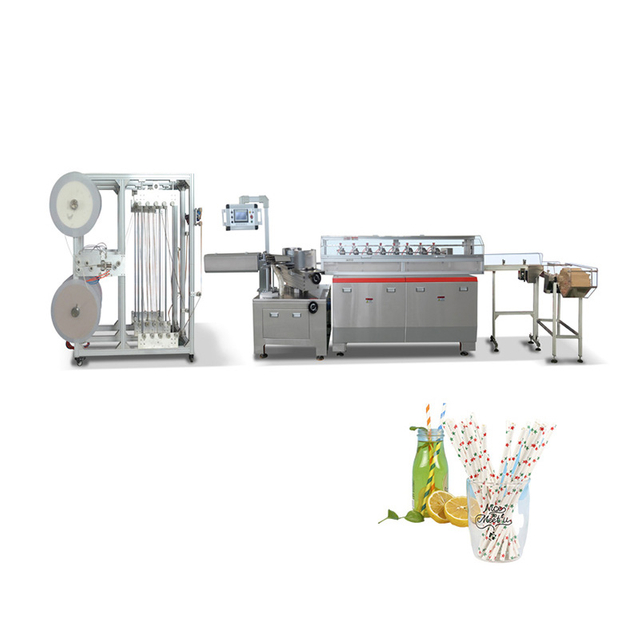
Choosing a paper straw machine can feel simple at first. Yet similar machines can deliver very different quality and output. If you pick the wrong setup, you may face scrap, delays, and buyer complaints.
In this article, we help you choose the right paper straw machine for your business. You will learn which specs matter most, how to validate real output, and what to ask suppliers. You will also see how to avoid hidden costs and reduce quality risks.
Start by naming who buys your straws today. Are they cafés, distributors, or brand owners? Each group asks for different proof and packaging. Cafés want steady supply and a smooth sip feel. Distributors want low complaint rates and reliable lead times. Brand owners want audits, traceability, and repeatable specs. Export buyers often ask more files and faster replies. So we should map buyer needs before machine comparisons. It helps you pick paper straw machine features that truly matter.
Capacity planning is your first cost lever. Do not start from a supplier speed claim. Start from orders and your shift plan instead. Convert demand into accepted straws per hour. Then add a buffer for rejects and downtime. Many plants target a 10% to 25% capacity buffer. This buffer protects delivery during peak weeks. It also lets you run calmer settings for better yield. Ask how speed changes across diameters and paper grades. Track accepted output, since scrap steals profit fast.
Good specs prevent surprises after you pay. Write diameter range, length range, and wall thickness range. Add tolerance targets when buyers need tight fit. Boba sizes often need thicker walls and cleaner cuts. Short coffee sizes may allow faster cycle time. Decide cut style early, flat or angle cut. Confirm paper layer count and your gsm structure. If paper changes later, settings may shift again. Keep the spec sheet short but precise. It becomes your shared language during every paper straw machine demo.
Paper is not the whole performance story. Buyers judge behavior in cold drinks and hot drinks. They also notice swelling, softness, and taste transfer. A coating plan can reduce those complaints. Water based coating paper straw designs often aim for better wet strength. Still, coating adds cost and adds extra control steps. You need drying capacity and simple checks for consistency. If you plan no glue paper straw output, check feasibility early. Glue free forming needs stable paper tension and precise control. Ask how it handles humidity swings in your region.
Price alone cannot protect your margin. Set a budget ceiling and a payback target. Many buyers aim for 12 to 24 months. Payback depends on yield and labor, not just speed. Write non negotiables in plain words for your team. Examples include seam strength, cut consistency, and uptime. Add a scrap limit and a spare parts rule. These rules help you compare similar paper straw machine offers. If two options tie on specs, total cost should decide. It keeps decisions calm and defensible.
Tip: Ask suppliers to quote output using your sizes and your paper specs.
Business-to-machine mapping for fast screening
Business need | What to check on the paper straw machine | Why it matters |
Mixed SKUs and frequent changeovers | Change time and parameter presets | Faster switches protect margin |
Export or audited buyers | Documentation set and QA records | It reduces deal friction |
Hot drink use cases | Wet strength plan and 100°C tests | It lowers complaint risk |
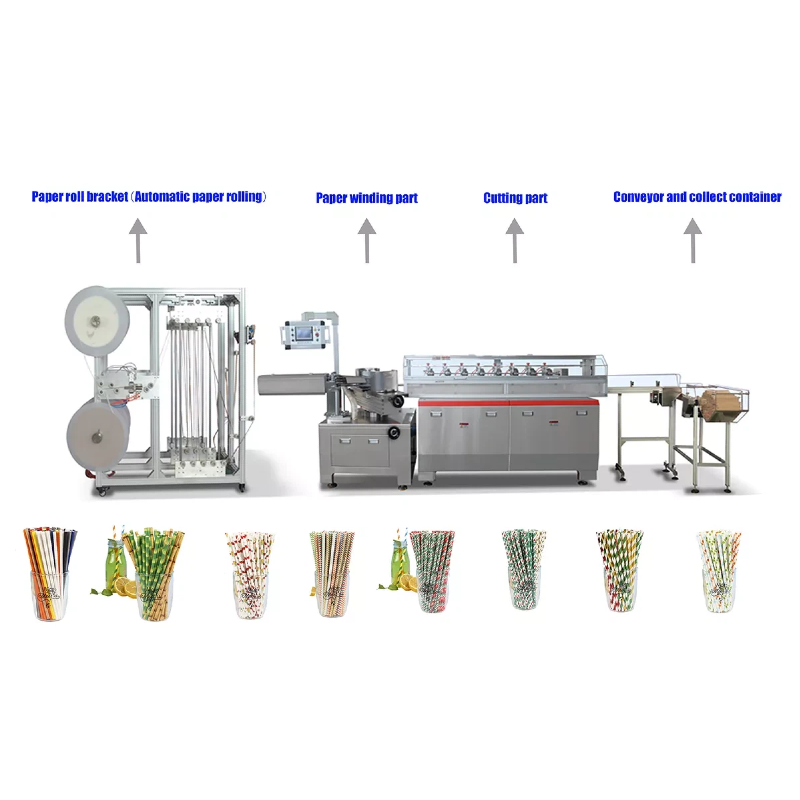
Low labor availability | Feeding, cutting, and collecting automation | It stabilizes output |
Tight delivery windows | Uptime design and spare parts readiness | It protects shipment dates |
Two forming styles drive most factories today. They are spiral winding and straight seam forming. Spiral winding fits many standard drink straws. It also supports a wide diameter range for mixed orders. Straight seam lines can look cleaner on some products. Your best choice depends on your top sellers. It also depends on paper behavior and coating needs. Ask for defect photos from each method during sales talks. Look for seam lift, ovality, and burr edges. Then match those risks to buyer tolerance in your market. We should choose what stays stable, not what looks fast.
Option | Strengths | Tradeoffs |
Spiral winding paper straw machine | Flexible sizes, mature supply chain | Seam quality depends on setup |
Straight seam paper straw making machine | Seam can look cleaner on some SKUs | Changeovers may be slower |
Automation must match staffing and skills. Semi automatic lines cost less up front for many teams. They need more operator attention during each shift. A fully automatic paper straw machine cuts manual touches. It often improves consistency on long runs. Yet automation adds sensors and control points. Your team must maintain them for stable output. Ask what daily checks operators must do. Ask how alarms show root causes on the screen. Also ask restart time after a stop and reset. If your team is new, simpler can be safer. If labor is scarce, automation can pay back faster.
Many lines lose output in drying and cutting stages. Glue flow and drying heat can drift during long runs. Those shifts can cause seam lift and soft straws. Ask how the machine controls glue flow and temperature. Ask how it controls tunnel heat and airflow stability. If you want no glue paper straw output, focus on forming stability. Glue free lines need consistent tension and pressure each minute. Do not accept fastest speed as your top metric. Ask for stable speed during an eight hour trial run. Ask for yield and defect rate data in writing. They should prove stability, not only peak speed.
Quality depends on buyers, channel, and use case. Start from complaints you must avoid this year. Common issues include softening, seam opening, and rough cuts. Some buyers also care about odor and taste transfer. Others focus on color consistency and print clarity. Create a short list your team can measure. Use seam strength, roundness, and cut cleanliness as basics. Add soak tests for your main drink types. Hot drinks and acidic drinks can behave differently. Set pass fail rules before you visit suppliers. It keeps decisions objective and repeatable for everyone.
Demos can mislead when conditions differ from yours. Bring your own paper rolls when you can. If you cannot, match paper specs as closely as possible. Run your top two straw sizes in the trial. Include one long run to check stability over time. Include one changeover to test real switching time. Measure yield, not only headline speed numbers. Log defects and likely causes during the run. Watch how they tune settings during the run. Then approve samples using your written criteria. It turns a sales show into a real production test.
Note: Make sample approval a written step before any final payment.
Food contact readiness builds trust fast in B2B deals. It also reduces customs delays for export shipments. Ask what documents they provide by default. Common items include conformity statements and material declarations. Some buyers ask third party test reports. If you use coatings, request coating safety files too. Ask for a spare parts list and material notes. Even labels and inks can raise questions at borders. Build a shared folder for compliance files. It helps you answer buyers in hours, not days. A strong supplier will guide you through gaps, not avoid them.
Your work does not end at the cutter. Straws need handling, counting, and controlled storage. Wet strength can improve after proper drying and rest. If you rush packing, moisture can stay trapped inside. Then odor and softness may appear during transit later. Plan a clean flow for bins and racks. Use labeled bins to separate good parts and scrap. Keep dust control in mind on the shop floor. If you add coating, plan extra drying and cure time. A tidy flow improves uptime and reduces contamination risk. It also makes audits easier for serious buyers.
Packaging affects perceived quality and final pricing. Some buyers want single wrap for hygiene reasons. Others want bulk packs for lower cost per straw. Single wrap adds equipment and wrapper supply needs. Bulk packs need reliable counting and bag sealing. Some buyers demand batch codes on every pack. Those needs can require extra packing modules. Decide carton size and pallet plan early. It changes storage cost and shipping cost. If you export, pallet stability matters a lot. Choose a style you can run daily without drama. Then choose a paper straw machine line that supports it.
Many installs fail due to site gaps, not machines. Check power, air, and floor strength early. Confirm voltage, frequency, and cable size needs. Plan space for maintenance access on all sides. Plan safe routes for paper roll handling every day. Add humidity control if your climate swings hard. Humidity affects paper tension and seam strength. Train operators on startup and shutdown routines. Use simple posters near the control panel for guidance. A good site plan cuts ramp up time. It also reduces avoidable breakdowns in month one. We should treat installation as part of production, not a side task.
Tip: Create a one page site checklist before you pay any deposit.
A low price can hide high monthly operating cost. List paper waste, power, labor, and consumables. Include glue or coating inputs if you use them. Add spare parts and routine maintenance items too. Add downtime cost from missed shipments and rush freight. Also price your learning curve during the first month. It often costs more than teams expect. Then compare suppliers using one cost model. Use yield and uptime assumptions per supplier. Even rough models can reveal the true winner. This step also helps internal finance approvals. It turns opinions into numbers your team can defend.
Support quality often decides long term success. Ask how they handle remote troubleshooting sessions. Ask response time for urgent faults and shutdowns. Ask what spare parts ship in the starter kit. Ask what parts you should stock locally for safety. Ask about training for operators and maintenance staff. Also ask for manuals in your preferred language. Ask if they can ship critical parts within one week. Ask if they offer preventive maintenance kits for common wear. You need clear escalation paths during a stop. Put service terms in writing, not only chat messages. It protects both sides when pressure rises.
Use a simple scoring sheet for every supplier. Score fit on specs, yield, and changeover time. Score documentation readiness and support clarity too. Score engineering depth during the trial and Q&A. If you cannot visit, request a live video demo. Ask for videos showing long runs and changeovers. Ask them to show alarm handling and restart steps live. Request references from your target market if possible. One reference call can reveal real issues fast. Then pick finalists for deeper checks and price talks. This approach avoids decision fatigue and internal conflict. It also signals you are a serious buyer.
A clear contract protects both sides in B2B deals. Define straw sizes and paper type for acceptance tests. Define target speed and target yield per shift. Define allowed defect rate per batch sample. Define commissioning steps and training scope on site. Define what happens if targets are not met. Include a retest plan and a fix plan. Also define warranty terms and spare parts scope. Add a timeline for commissioning and final signoff. It keeps both teams aligned each week. Keep terms measurable and easy to check. It reduces arguments and speeds up delivery.
Supplier and TCO scorecard template
Category | What to request | How to score |
Performance proof | Trial data on your sizes, yield, defects | 1–5 based on evidence |
Engineering quality | Control system, cutter stability, wiring standards | 1–5 based on inspection |
Documentation | Manuals, parts list, compliance files | 1–5 based on completeness |
Service readiness | Response time, training plan, spare parts kit | 1–5 based on clarity |
Total cost | Waste, consumables, downtime risk | 1–5 based on model |
Note: Put acceptance targets in writing, then link payments to them.
Choosing the right paper straw machine starts with your buyers. It also starts with clear straw specs and real capacity plans. When you test using your paper, you reduce risk and protect yield. When you define acceptance terms, you avoid costly disputes.
Wenzhou Hongshuo Machinery Co., Ltd. supports buyers with reliable paper straw machine solutions. Their glue free options and stable automation features help teams cut labor and scrap. Their OEM support and service guidance can speed setup and steady daily output.
A: Lock your straw sizes, paper type, and target buyers first. It helps you choose a paper straw machine that matches real orders.
A: Run your paper and top sizes in a trial. Track accepted output, scrap, and changeover time on the paper straw machine.
A: Glue control, drying stability, and cutting quality change yield. These details matter more than peak speed.
A: Price varies by automation and options like coating or wrapping. Compare total cost, not only the machine price.
A: Check paper tension, blade wear, and drying settings. Keep a simple daily checklist and stock key spare parts.