T: +86-18066442232
E: sylvia@wzhongshuojixie.com
E: sylvia@wzhongshuojixie.com
Wanquan Industrial Zone, west of National Road 104, Sunlou Village, Wanquan Town, Pingyang County, Wenzhou City, Zhejiang Province
Views: 0 Author: Site Editor Publish Time: 2026-08-08 Origin: Site


Fast-food chains and consumers demand sustainable, leak-proof packaging solutions today. This shift toward innovative food containers requires manufacturers to upgrade their production lines rapidly. Choosing the wrong equipment often leads to high scrap rates and massive material waste. It also creates severe bottlenecks during peak production periods. This article provides procurement teams and packaging manufacturers an objective framework to evaluate machinery. We will explore how to shortlist the right equipment based on production volume and material requirements. You will learn to navigate equipment categories, specifications, and material compatibility to ensure high yield. Investing in modern machinery secures your position in a highly competitive market. You must prioritize equipment flexibility to adapt to future trends. By analyzing technical parameters correctly, operators can eliminate unnecessary downtime. We aim to help you make data-driven purchasing decisions for long-term profitability.
You must define clear success criteria before purchasing any equipment. Assess your baseline requirements thoroughly. Look at your daily production volume. Consider your specific floor space constraints. Evaluate your shift operational hours. Many facilities overlook these basic parameters. They buy equipment too large for their warehouse. They purchase machinery built for single shifts while running 24-hour operations. Baseline clarity prevents costly deployment errors.
Buyers should heavily discount theoretical maximum speeds. Manufacturers often market machines based on optimal, perfectly controlled conditions. Real-world production rarely mirrors these testing environments. You must evaluate machinery based on Sustained Operating Speed (SOS). Look closely at average jam rates over a full shift. A machine running slightly slower but continuously yields more. Sustained yield determines your actual daily output. Frequent jams destroy operational efficiency.
Application-specific nuances demand careful attention. Standard clamshells differ greatly from ventilated boxes. Ventilated designs keep fried food crisp during transport. Multi-compartment designs require precise folding mechanisms. Each packaging style places unique mechanical demands on your equipment. A standard folder might fail when handling complex ventilation flaps. You must match the architecture directly to your product catalog.
Implementation risks rise when running multiple SKUs. A single food packaging burger box making machine might handle three different box sizes. If so, you must account for mold changeover times. Swapping molds halts production entirely. Long changeovers destroy your daily productivity targets. You must calculate this specific downtime accurately. Fast-changeover mechanisms cost more upfront but save countless labor hours.
Standard mechanical folders remain highly popular in the industry. They handle high-volume, single-SKU production beautifully. The underlying mechanics are incredibly reliable and easy to maintain. Operators can troubleshoot them with basic mechanical knowledge. However, they offer very limited structural flexibility. You cannot easily adjust them for radical new packaging designs. They suit companies running standard dimensions continuously.
Pneumatic and servo-driven models represent the next technological tier. Variable production environments need this advanced technology. Servo motors offer precise control over every moving part. They generate significantly lower scrap rates during startup phases. Operators can adjust settings digitally for different paperboard thicknesses. This flexibility reduces material waste dramatically. Servo systems recover from paper jams much faster than mechanical linkages.
Custom setups offer unique market differentiation. When should you invest in a custom burger box making machine? Proprietary locking mechanisms often require them. Specific ventilation layouts might need bespoke cutting and folding tooling. Brands pushing innovative geometries cannot rely on stock machinery.
Always conduct a thorough cost-benefit analysis here. Compare custom molds against standard off-the-shelf configurations. Standard setups save capital and deploy faster. Custom setups provide unique packaging that competitors cannot easily copy. You must weigh the branding value against the engineering costs.
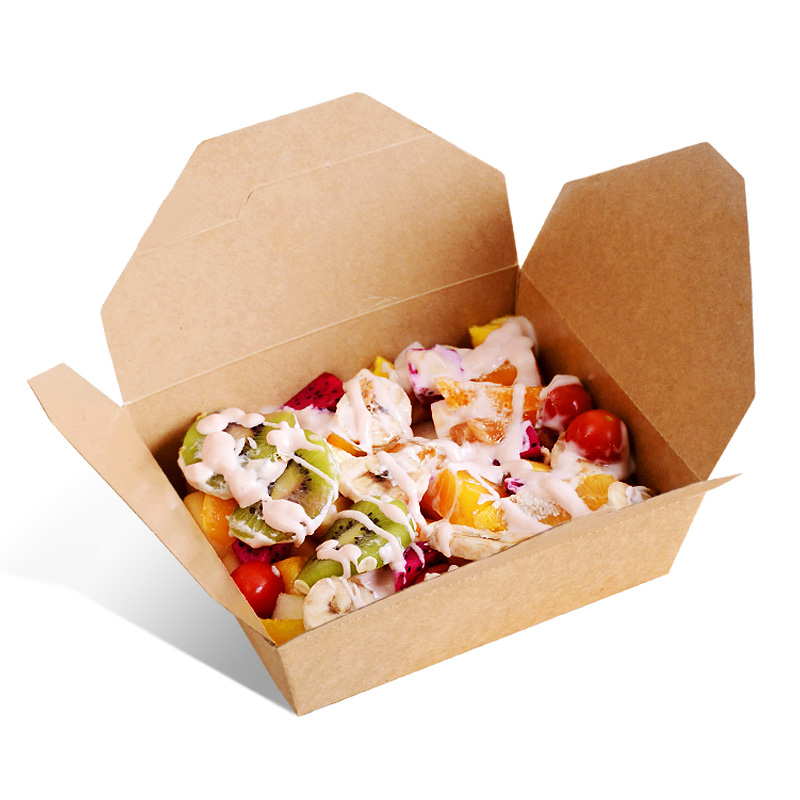
Evaluating technical specifications matters immensely for long-term success. Paper thickness compatibility is absolutely crucial. You must verify the optimal GSM (grams per square meter) range. Most commercial machines handle 200 to 600g/m² easily. The equipment must score and fold the board cleanly. Cracking the substrate ruins the structural integrity. Too much pressure damages thin boards. Too little pressure fails to fold thick boards properly.
Forming tolerances dictate your final product quality. Alignment accuracy ensures boxes close securely at the restaurant. They must stack efficiently without leaning or tipping over. Poor tolerances cause massive failures at the end-user level. Restaurant staff discard boxes that jam together in stacks. Precise forming prevents these frustrating field failures.
Energy consumption heavily impacts your operational overhead. You should assess kilowatt-hour (kWh) usage per 1,000 units produced. A burger box making machine running efficiently saves significant electricity. Older models waste energy through constant heater activation. Modern systems optimize thermal distribution and motor efficiency. Lowering your utility overhead directly boosts your profit margins.
Analyze the physical footprint and ergonomics closely. Machine dimensions must fit your facility layout logically. Operators need safe, unobstructed access for daily maintenance. Tight spaces increase workplace injury risks. Poor accessibility makes routine cleaning difficult. Dirty machines produce contaminated or stained packaging. Proper ergonomics ensure safe and consistent operation.
| Specification Category | Standard Optimal Range | Operational Impact |
|---|---|---|
| Paper Thickness (GSM) | 200g/m² – 600g/m² | Prevents board cracking and ensures structural rigidity. |
| Forming Tolerance | ±0.5mm – ±1.0mm | Ensures secure locking mechanisms and stable stacking. |
| Operating Speed | 50 – 150 pieces/min | Determines shift output and labor allocation. |
| Energy Consumption | 5kW – 15kW | Directly affects daily utility expenses and overhead. |
The global shift toward sustainability changes everything. Facilities now process unbleached kraft, sugarcane bagasse, and high-recycled content. These alternative materials behave differently under mechanical stress. They lack the flexibility of virgin PE-coated boards. Short fibers tear easily during aggressive folding steps. Your equipment must handle these variations gently. Adjustable pressure settings become mandatory for sustainable materials.
Barrier coating friction introduces new production challenges. Brands use grease-proof and water-proof coatings heavily. These coatings change how paper slides through the machine. Some layers create extreme slip in feeding mechanisms. Other coatings affect the fold-memory of the board. The machine might fold the box, but the flaps spring open again. Equipment must apply proper heat or scoring pressure to overcome this memory.
You must evaluate gluing versus glueless designs. Thermal sealing works incredibly well for poly-coated boards. Mechanical interlocking removes the need for glue entirely. Each approach impacts your machine complexity differently. Glueless machines require tighter mechanical tolerances to cut locking tabs accurately. Glued systems require constant adhesive maintenance and nozzle cleaning. You must decide which maintenance routine fits your workforce better.
Modern water-based barrier coatings (WBBC) represent the future. They provide excellent recyclability compared to traditional plastic films. However, they activate differently under thermal sealing elements. Your machine must feature precise temperature controllers. Fluctuating heat will scorch WBBC layers instantly. Maintaining tight temperature windows ensures strong bonds without cosmetic damage.
Look carefully beyond the initial purchase price tag. Long-term operational expenses dictate your ultimate success. Focus heavily on sustained machine uptime and parts availability. Calculate potential downtime costs accurately. A cheap machine becomes expensive when production stops for three days. You need continuous operation to meet client demands. Supplier reliability guarantees your production continuity.
Check compliance and safety standards strictly. CE or ISO certifications prove manufacturing quality and safety adherence. Demand robust emergency stop protocols across the equipment. Moving parts must remain fully enclosed behind safety shields. Interlocking doors should halt the machine immediately if opened. Protecting your operators prevents tragic accidents and legal liabilities.
Follow a rigorous supplier evaluation checklist. Experience in your specific niche matters deeply.
A supplier with local technicians provides massive advantages. They can resolve complex programming issues onsite rapidly. Remote video support helps, but physical inspections solve mechanical alignments faster. Partnering with a dedicated team reduces your operational stress significantly.
The optimal machine balances your current output requirements flawlessly. It also maintains enough flexibility to adapt to tomorrow's designs. Future packaging trends will change rapidly as sustainability mandates evolve. You must prepare your production lines for new alternative materials today. Equipment lacking digital adjustment capabilities will hold your business back.
Advise your procurement buyers to request comprehensive test runs. Always use your actual material rolls during these factory tests. Demand transparent OEE (Overall Equipment Effectiveness) data from the manufacturer. Calculate your returns based on sustained daily yield. Best-case scenarios rarely reflect the reality of a busy factory floor. Make your final decision based on proven reliability and supplier support.
A: It follows a four-step continuous process. First, automated feeders pull the flat paperboard blanks from a hopper. Second, precise alignment mechanisms position the blank correctly. Third, thermal or mechanical forming heads push the board into a mold, folding it into shape. Finally, automated stackers collect and count the finished containers. This continuous loop ensures high-speed production.
A: A fully automated setup typically pays for itself in 12 to 24 months. Labor savings drive much of this return. Automated systems reduce manual handling significantly. Lower scrap rates also save substantial raw material costs. Modern servo-driven motors cut electricity bills heavily. These operational savings accelerate your payback period.
A: Yes, most machines accommodate different sizes through mold changeovers. However, you must account for the required downtime. Swapping tooling usually takes one to three hours depending on machine complexity. You will also need to purchase additional forming molds. Plan your daily production schedule carefully to minimize changeover disruptions.