T: +86-18066442232
E: sylvia@wzhongshuojixie.com
E: sylvia@wzhongshuojixie.com
Wanquan Industrial Zone, west of National Road 104, Sunlou Village, Wanquan Town, Pingyang County, Wenzhou City, Zhejiang Province
Views: 0 Author: Site Editor Publish Time: 2025-12-15 Origin: Site


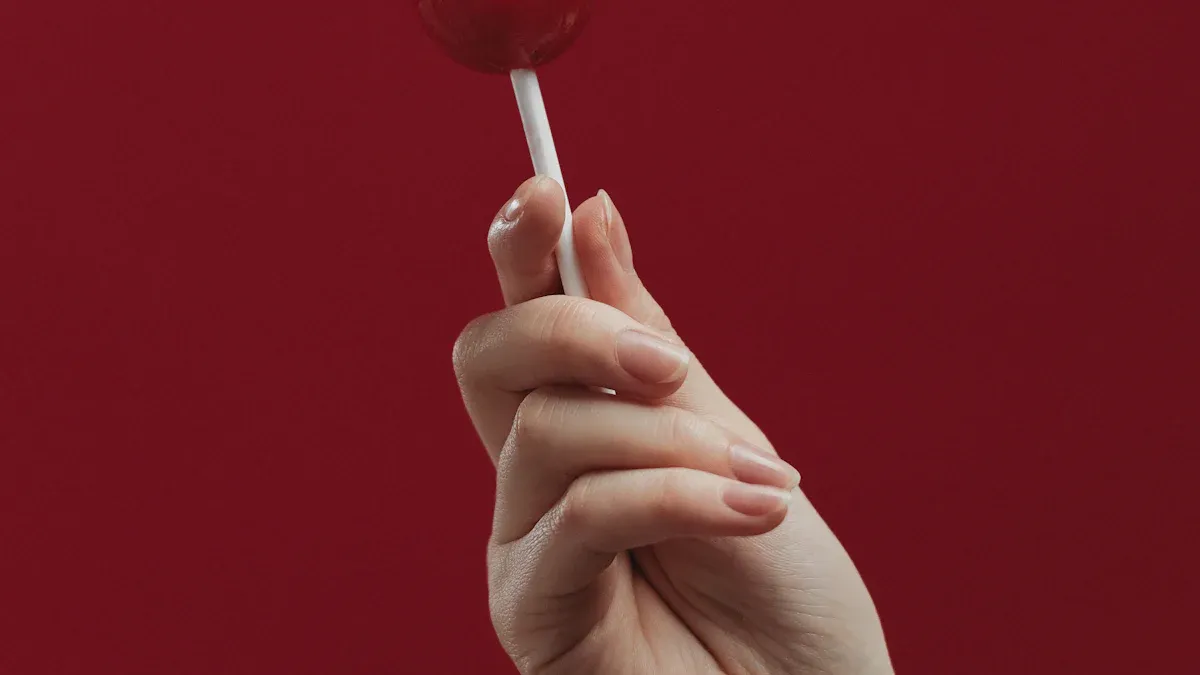
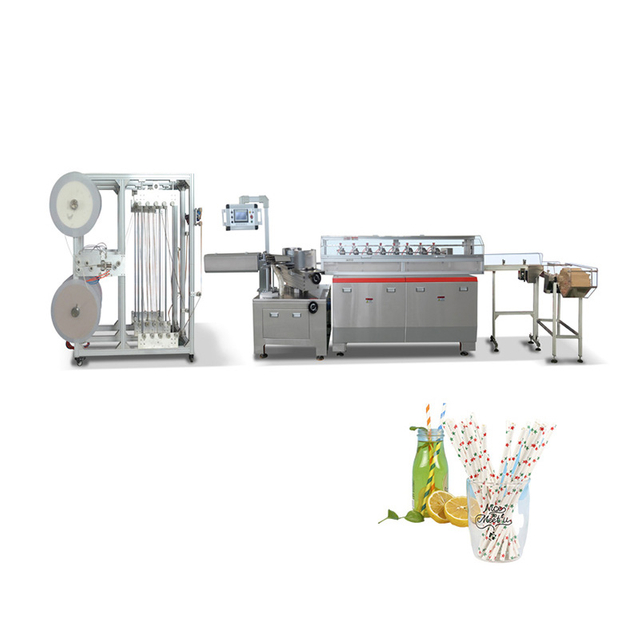
You see paper lollipop sticks in lots of candies now. Factories make them with fast machines. These machines roll and shape special paper. The paper is safe for food and good for the earth. Here are reasons these sticks are special:
Feature | Description |
|---|---|
Material | High-quality paper that is safe for food and breaks down easily |
Durability | Stays strong even when it gets wet |
Eco-friendliness | Is a better choice for the planet than plastic |
Safety | Has no bad chemicals, tastes, or smells |
Paper lollipop sticks use safe materials like food-grade paper and bamboo. These materials are good for the environment and help cut down on plastic waste. Factories have fast machines that cut, glue, and shape the sticks. This makes sure every stick is strong, safe, and always the same quality. You should check for certifications like OK Compost and FSC. These show the products are good for the planet and safe for nature. Picking paper sticks helps keep the Earth clean. They break down faster and can be recycled or composted. Candy makers can also customize paper lollipop sticks. This lets them make special treats and still care about the environment.
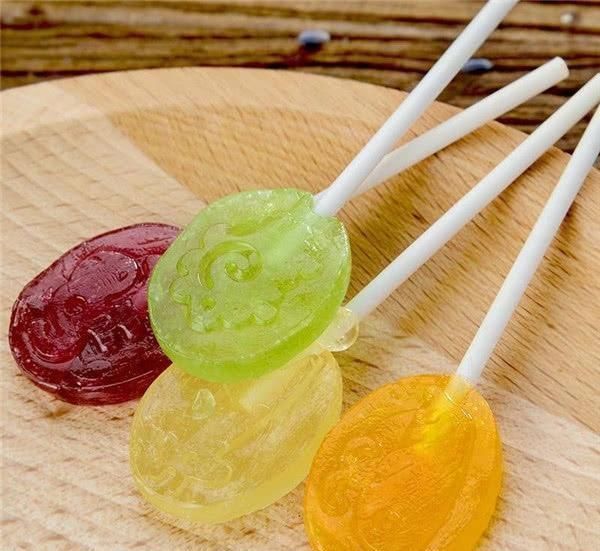
You may wonder what is used to make paper lollipop sticks. Factories pick materials that are safe for people and the earth. Most companies use food-grade paper or bamboo. These materials break down fast and do not hurt nature. When you choose a lollipop with a paper stick, you help cut down on plastic trash.
Here is a table that lists the main raw materials and why they are good:
Raw Material | Sustainability Aspect |
|---|---|
Food-grade paper | Safe for food production and sourced sustainably |
Bamboo | Biodegradable and renewable resource |
Paper | Promotes a circular economy and reduces plastic pollution |
Factories often check for certifications to make sure their paper is from good sources. These certifications prove the materials are safe and good for the planet.
Certification | Purpose |
|---|---|
OK Compost | Certification for industrial compostability |
BPI | Certification for compostability |
FSC | Certification for sustainable wood sourcing |
Tip: If you see these certifications, you know the product is a better choice for the earth and supports eco-friendly lollipop sticks.
After picking the right materials, factories begin making the sticks. Machines cut big rolls of paper into thin strips. These strips must be the right size to make strong sticks. Fast machines do this job with great care.
You can see that the machines work very fast. They cut each strip to the same size. This step makes sure every stick is strong and safe for candy. The machines also shape the strips so they can be rolled into sticks later. This careful work keeps the sticks high quality and helps stop waste.
When you eat a lollipop, you can feel good because the stick comes from a process that cares about quality and the earth.
You might wonder how thin paper strips become strong sticks. Factories use special glue to stick the strips together. This glue must be safe for food and good for the earth. You can see the different glues in the table below:
Type of Adhesive | Description | Food-Safe Status |
|---|---|---|
Hot Melt Adhesives | Used for sealing and can meet FDA standards | Yes, if FDA compliant |
Water-Based Adhesives | Eco-friendly, low in toxins, common in paper products | Yes, generally food-safe |
Solvent-Based Adhesives | High performance, needs careful formulation for food safety | May be food-safe if properly formulated |
Lamination Adhesives | Used for multi-layer protection, designed for food contact | Yes, if designed for food contact |
Factories often pick water-based glue because it is safer and better for nature. Some companies make paper lollipop sticks without glue. These sticks use only wood fibers pressed together. No glue or chemicals touch your candy. This way is better for the earth and keeps the sticks safe for you.
Feature | Glue-Free Paper Sticks | Traditional Adhesive Sticks |
|---|---|---|
Adhesive Use | No adhesives or chemicals | Adhesives used in manufacturing |
Environmental Impact | Positive sustainability impact | Environmental concerns |
Material | Pure virgin wood fibers | Varies by adhesive type |
Applications | Lollipops, chocolates, etc. | Limited by adhesive compatibility |
Note: All glues and materials must follow strict food safety rules. You can trust that the sticks are always food-grade, safe, and meet world standards.
After gluing, the strips go to the next step. Machines roll the glued strips into tight tubes. This rolling makes the sticks round and strong. Every stick looks the same because machines control the size and shape.
The process does not end with rolling. Machines cut the tubes to the right length for lollipops. Each stick must be smooth and have no sharp edges. This step keeps the sticks safe for your mouth and easy to use.
Factories use fast machines to make thousands of sticks each minute. For example:
The HS-ZBJ Digger Stick Paper Stick Making Machine can make up to 1,000 sticks every minute.
Multilane stick pack machines can make 800 stick packs each minute.
Automation is very important in making sticks. You get the same quality because machines work at the same speed and accuracy. Automation also helps factories pack hundreds or thousands of lollipops every hour. This fast work means stores always have enough lollipops.
Tip: Automation does more than make things faster. It lowers mistakes, keeps quality high, and saves money on workers. Workers can do other jobs while machines do the same tasks over and over.
Factories must follow strict rules for food safety and the environment. All paper lollipop sticks must be recyclable, non-toxic, and meet world standards. This careful process makes sure you get safe, earth-friendly sticks every time you eat a sweet treat.
When you look at paper lollipop sticks, you might not realize how much work goes into making sure each one is safe and strong. Factories use both machines and people to check every stick during the production process.
Factories rely on advanced paper stick making machines to keep quality high. These machines check each stick for the right weight, shape, and size. If a stick does not meet the standard, the machine removes it from the line. You can trust that only the best sticks move forward.
Machines scan for:
Correct length and diameter
Smooth surface with no cracks
Consistent weight
The fully automated line does more than just check sticks. It also handles cooking, depositing, stick insertion, cooling, and packaging. This setup keeps the quality steady and the output high. You get paper lollipop sticks that look and feel the same every time.
Tip: Automated checks help factories catch mistakes early. This means fewer bad sticks reach the final package.
Even with smart machines, people still play a big role in quality control. Workers look at random samples from each batch. They check for things machines might miss, like small dents or rough edges. If they find a problem, they can stop the process and fix it right away.
Here is what workers look for during manual inspections:
Sticks with uneven ends
Any leftover glue or paper fibers
Sticks that feel rough or sharp
You can feel confident that both machines and people work together to make sure every stick is safe for you. This careful attention keeps the production of paper lollipop sticks reliable and safe.
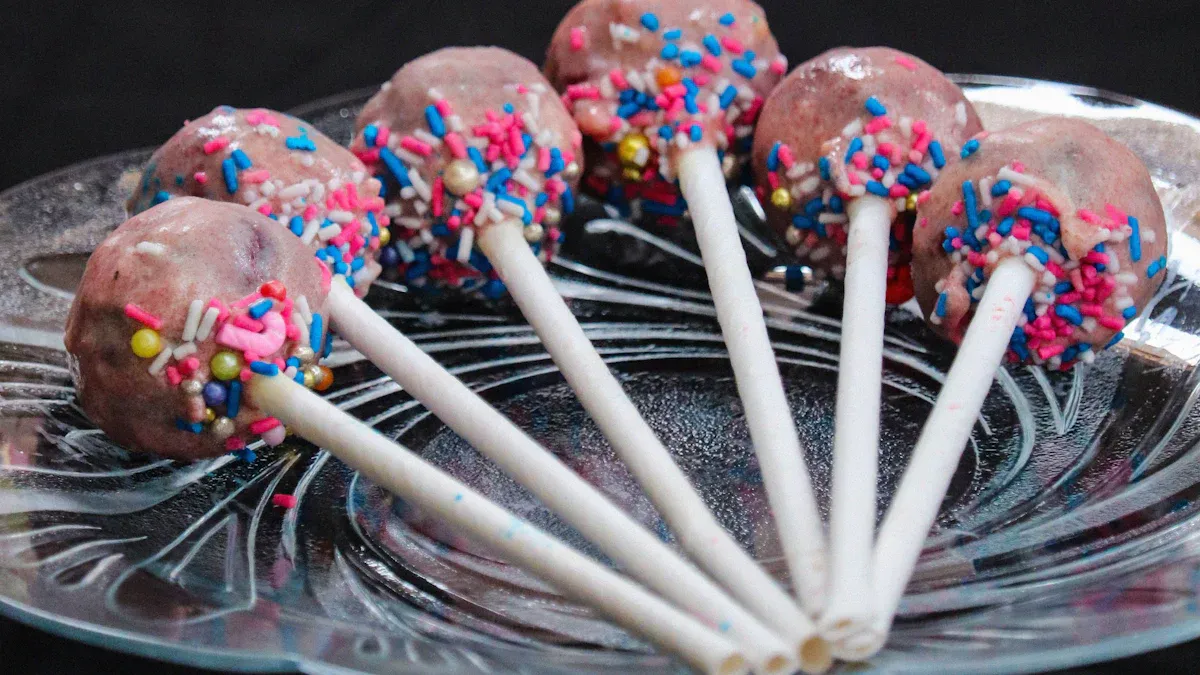
Factories pack paper lollipop sticks in big groups before sending them to candy makers. They use different packaging to keep the sticks safe when shipping. You can see the table below for the most used packaging types:
Packaging Material | Description |
|---|---|
Used a lot for packing many lollipop sticks. | |
Corrugated Boxes | Gives more protection during shipping. |
Kraft Boxes | Good for the earth and used for packaging. |
Paperboard Boxes | Light and good for sending many sticks at once. |
Special Cardstock | Can be changed for brands and looks. |
Packing in bulk helps the earth. You help nature by picking products packed this way. Here are some good things about bulk packaging:
Paper lollipop sticks break down and can be composted, so less trash goes to landfills.
Bulk packaging cuts down on pollution from moving and storing products.
Using earth-friendly materials means less harm to the planet.
There are many ways to change paper lollipop sticks. Factories let you pick the size, color, and brand look. The table below shows what you can choose:
Customization Aspect | Details |
|---|---|
Size | Many sizes to pick from |
Color | Lots of color choices |
Branding | Simple or full-color prints, even eco-friendly ones |
Companies want to give you what you want. More companies now offer custom sticks because more people ask for them. Candy makers want their treats to look special. You see more custom products as companies try to please buyers.
More candy makers want custom and earth-friendly sticks.
Companies look for new ways to make special products.
More people want custom products, so companies try to meet these needs.
You make a good choice when you pick paper lollipop sticks. These sticks break down faster than plastic ones. Factories use recycled or well-managed paper for the sticks. This makes making the sticks better for the earth. You help stop pollution and waste by picking green packaging. Candy makers use paper sticks to show they care about the earth and your health.
Tip: Pick packaging that says "biodegradable" or "compostable" to help the earth.
You now know how factories use safe paper and quick machines to make lollipop sticks. Machines help make sure each stick is strong and clean. Using earth-friendly ways helps lower pollution and helps the planet. Checking quality keeps things clean and safe to eat. More people pick eco-friendly sticks because they care about health and the earth.
Paper sticks break down fast and do not leave bad trash.
Factories use clean places and safe materials for safety.
More people want earth-friendly products and packaging.
You get a strong stick because machines roll and glue layers of paper tightly. This makes the stick sturdy, even when you enjoy your favorite candy. The process keeps the stick safe and reliable for every piece of candy you eat.
You can use paper sticks with hard candy, chewy candy, and chocolate candy. Factories test the sticks with every kind of candy. You get a safe, food-grade stick for any candy you choose.
You see more candy with paper sticks because they break down faster. Candy companies want to help the earth. The manufacturing process uses less plastic, so you get candy that is better for the planet.
You can recycle or compost most paper sticks after you finish your candy. Check the packaging for compostable or recyclable labels. This helps you make a good choice for the earth every time you eat candy.
You will not taste the stick when you eat candy. Factories use safe, food-grade paper. The stick does not add any flavor or smell to your candy. You enjoy the real taste of your candy every time.