T: +86-18066442232
E: sylvia@wzhongshuojixie.com
E: sylvia@wzhongshuojixie.com
Wanquan Industrial Zone, west of National Road 104, Sunlou Village, Wanquan Town, Pingyang County, Wenzhou City, Zhejiang Province
Views: 0 Author: Site Editor Publish Time: 2026-05-13 Origin: Site


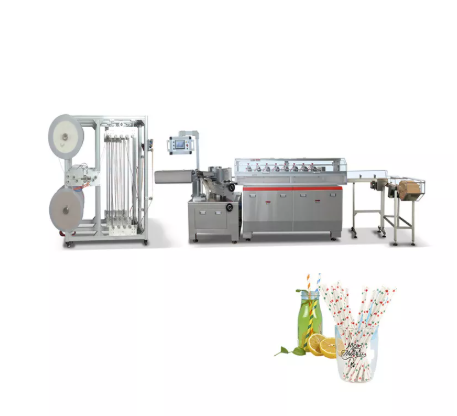
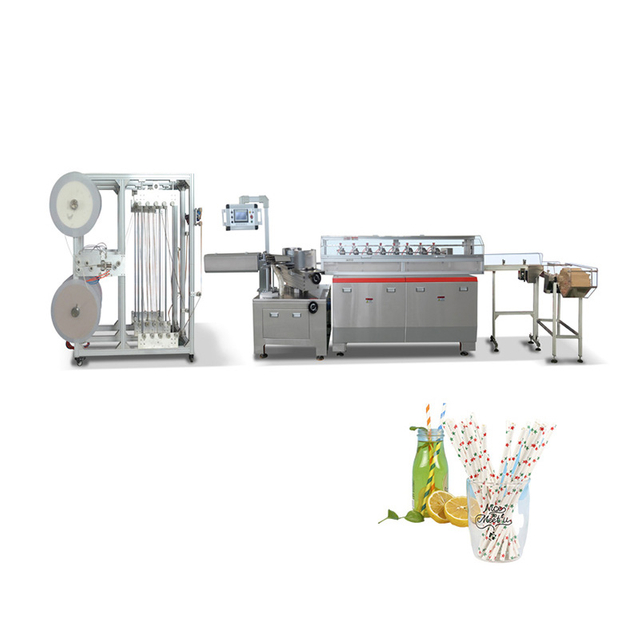
Paper straws often fail before the drink ends. Customers notice soggy texture and bad taste fast. A paper straw machine can solve more than speed issues.
In this article, we explain the benefits of water based coating paper straw options. You will learn how they improve drink time, mouthfeel, and buyer confidence. You will also see what a paper straw machine must control to keep results stable.
Brands want a message customers understand fast. Many teams dislike “plastic coated paper” wording in bids. A water based coating paper straw can support a cleaner story. It uses a waterborne barrier system in many designs. You still need careful wording for claims and labels. We should describe the coating and its purpose clearly. This reduces approval delays inside procurement. It also keeps one story across regions and channels.
Many tenders ask, “Can it go in paper recycling?” A water based coating paper straw is often designed for repulpability. Repulpable means it can break down during pulping steps. Acceptance still depends on local mills and sorting rules. Treat it as “designed for” and confirm the scope. Ask suppliers for evidence and test conditions. Ask local recyclers what they accept and record it. Region-specific wording reduces disputes and protects your brand.
Drink time is the main reason buyers upgrade straws. A barrier slows water absorption and fiber swelling. That reduces softening and surface fuzz during sipping. It can also reduce staining from coffee and tea. Some coatings handle syrup and oil contact better too. This helps avoid replacing straws mid-drink. That improves customer experience and cuts waste. You should test your top drinks and cup formats. Use fixed temperatures and time points per trial.
Customers judge a straw on the first sip. They notice roughness, dust, and paper smell quickly. A water based coating paper straw can smooth the surface. It can reduce loose fibers and improve lip comfort. Taste risk still exists if curing is uneven. Storage can add odor if rolls sit near chemicals. Keep storage clean, dry, and ventilated. Run a blind sip test during sampling and after storage.
B2B buyers want a clear document package early. They ask for material declarations and traceability records. Some also request food-contact reports from labs. They care about repeatable quality across batches. They also check odor, color, and surface feel. Buyers test seam integrity, cut quality, and soak behavior. If results vary, confidence drops fast. A stable paper straw machine reduces batch drift. Keep a versioned file set for every change. It supports faster approvals and repeat orders.
Operators care about speed and guest experience. A longer lasting straw reduces replacements during service. It also cuts table waste and bin volume. Brands see fewer complaints and fewer bad photos. Coated paper can resist transport humidity better in many cases. That supports steadier quality across long routes. Over time, it can reduce total complaint handling cost. It can also improve repeat purchase rates.
Tip: Ask buyers for a minimum drink-time target, then build tests around it.
Benefit | Impact | Check |
Cleaner messaging | Faster approvals | Review claims |
Repulpability goals | Better paper-stream fit | Request evidence |
Longer drink time | Fewer mid-drink swaps | Soak test in target drinks |
A barrier coating sits on the paper surface. It slows penetration and reduces swelling. Many systems dry into a thin protective film. Uniform coating improves feel and stiffness. It can also reduce staining from beverage colorants. Performance depends on coating weight and uniformity. Weak spots absorb water early and soften first. Curing control and roll handling matter a lot. Test samples after storage, not only fresh ones.
Seam failure is a common complaint for paper straws. Some designs use adhesives, while others rely on heat and pressure. A water based coating paper straw can change seam behavior. It may improve sealing in some heat-seal setups. Outcomes vary by paper grade and coating type. Test seam strength after soaking, not only dry. Add gentle stirring to match real use. Also test after short storage aging. Check for seam lift, ovality, and soft spots. These checks reduce surprises during shipping and use.
Buyers say “durable” without a shared benchmark. We should translate it into targets and pass rules. For cafés, it may mean firm through one drink session. For bubble tea, it may mean longer soak and higher stiffness. For hot drinks, it may mean no fast collapse. Put targets on one page and share them early. Then test every supplier sample using one protocol. It makes price talks simpler and more objective.
Note: Define durability targets first, then compare suppliers fairly.
Coated paper rolls need consistent handling. Poor storage can scratch coating or increase curl. Keep rolls dry, clean, and away from strong odors. Control humidity to reduce dust and feeding swings. Ask for stable winding hardness and clean edges. Paper variation creates unstable forming and ovality. A paper straw machine needs steady tension response. Use a clear paper spec for gsm and moisture range. Run trials only on that agreed spec.
Stability matters more than peak speed here. Tension control keeps the tube round and seam centered. Alignment control prevents uneven wall thickness. Cutting control keeps length stable for packing. Preset recipes help operators repeat good runs daily. Servo motion can support repeatability in many setups. Ask suppliers how they monitor drift in long runs. Ask how they recover after alarms. Stable control protects yield, surface finish, and length.
Coating changes friction and cut response. Some coatings feed smoother but slip more on rollers. Some coatings build residue on blades if curing is weak. Some coatings chip if edges turn brittle. Match blade type and cleaning routines to your coating. Confirm where coating sits in your process flow. Some lines coat paper first, then convert into straws. Others coat finished straws, then dry them. Either path needs dust control and stable cure before packing.
Many coated straws target premium channels. Packaging choice drives layout and QC checks. Individual wrap needs stable length and low dust. Bulk pack needs clean bins and reliable counting. Reduce manual touches to improve hygiene perception. Use daily cleaning logs near packing zones. Add batch codes if buyers demand traceability. Plan maintenance access around sealing and cutter modules. A clean layout saves time and reduces rework.
Tip: Plan packaging first, then confirm your paper straw machine and coating flow.
Area | Confirm | Why |
Feeding | Gentle tracking | Protects coated surface |
Tension | Repeatable control | Prevents ovality drift |
Cutting | Clean edges | Supports packing speed |
Packing | Low dust handling | Supports buyer audits |
Buyers often request files before they test samples. Prepare declarations, material lists, and traceability records. Link paper rolls and coating batches to each shipment. Keep a version history for any material change. Some buyers request third-party reports from labs. Store files in one shared folder and update it. A paper straw machine log supports audit questions. It shows settings, defects, and corrective actions. This helps buyers trust your process and consistency.
Recycling claims can create risk if they are absolute. Avoid “recyclable everywhere” language in bids. Avoid “always compostable” language in labels. Use conditional wording tied to local systems. You can say it is designed for repulpability in paper streams. You can state it uses a water-based barrier coating. Offer evidence and scope when buyers ask. Align claims to the buyer’s region and channel. If you print icons, check local rules first.
Screen suppliers using simple, repeatable tests. Run a soak test in target drinks at set temperatures. Check seam integrity after soaking using one method. Do a blind sip test for odor and off-taste. Inspect cut quality and dust on a white surface. If you wrap, run a short packing trial. Record photos and results for each sample batch. Use the same protocol for every supplier. It makes decisions faster and more defensible.
Note: Use one test protocol across suppliers and keep results organized.
PE coatings can deliver strong barrier performance. Some regions prefer PE for long drink time. Yet some buyers dislike the “plastic coated” perception. Water based coating paper straw options aim to reduce that objection. They can also support paper-stream messaging in some tenders. Performance varies by coating weight and paper base. Compare samples using the same drink tests. Then write claims that match local disposal reality.
PLA is often marketed as plant-based plastic. It may fit composting narratives in some channels. Disposal routes are still inconsistent in many places. Some buyers treat it like plastic during sorting. Water-based barriers can fit paper recycling messaging better. Yet they can underperform if curing control is weak. Compare taste, durability, and packing stability using your protocol. Then choose the option that matches your buyers’ disposal route.
Cost should be measured per accepted straw. Coatings can reduce complaints and replacements. That lowers service cost and guest frustration. Coating can also raise scrap if feeding is unstable. A stable paper straw machine reduces that risk. Include labor, downtime, and packing loss in your model. Include scrap and rework cost too. Even a small complaint drop can offset a unit price rise. This helps procurement defend the choice internally.
Option | Buyer appeal | Main risk |
Water-based coating | Cleaner messaging | Weak curing hurts durability |
PE coating | Strong barrier | Recycling objections |
PLA or bio-coatings | Composting story | Disposal confusion |
Water based coating paper straw options can improve drink time and mouthfeel. They can reduce soggy complaints and support clearer recycling messaging. Still, results depend on stable paper control and repeatable testing. A good paper straw machine helps keep tension, cutting, and packing consistent.
Wenzhou Hongshuo Machinery Co., Ltd. supports buyers using paper straw machine lines for coated straw production. Their equipment and OEM support help teams run steady output and lower scrap. Their service guidance helps you set up tests, train operators, and scale quality with confidence.
A: It is a paper straw using a water-based barrier layer. It helps reduce soaking and improves sip feel in drinks.
A: They want longer drink time and fewer soggy complaints. Many also prefer clearer recycling messaging and a paper-like feel.
A: A paper straw machine needs stable tension, clean cutting, and repeatable settings. It also needs good dust control for consistent output.
A: Not always, but unit cost can rise due to materials and process control. Lower complaint rates can offset the difference.
A: Check paper storage, tension stability, and curing consistency first. Then inspect dust buildup, blade condition, and cut quality.